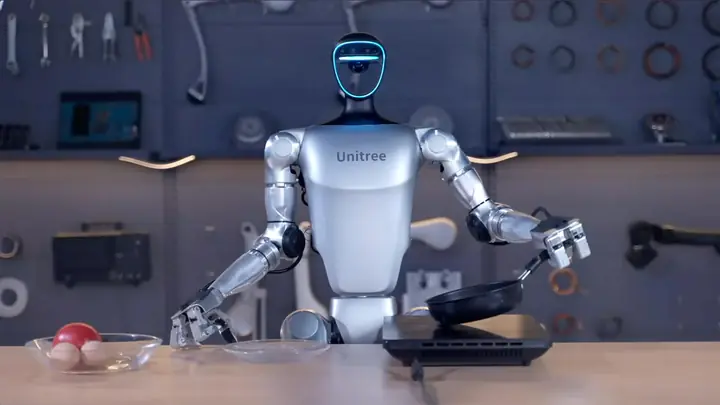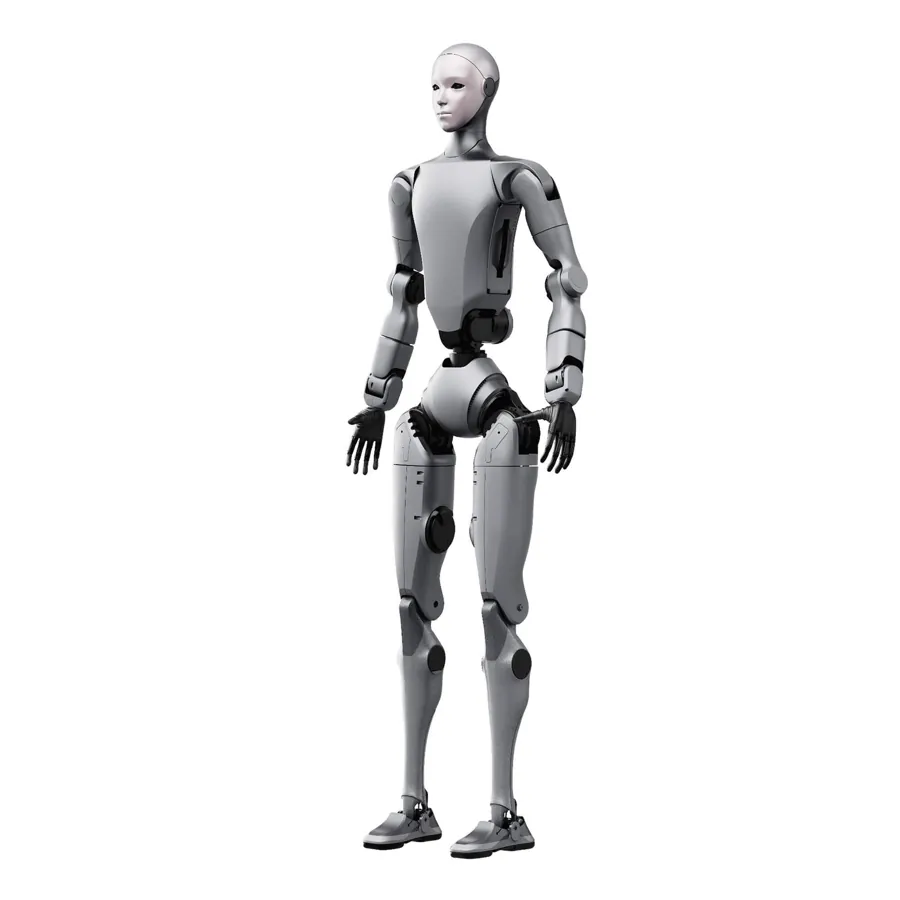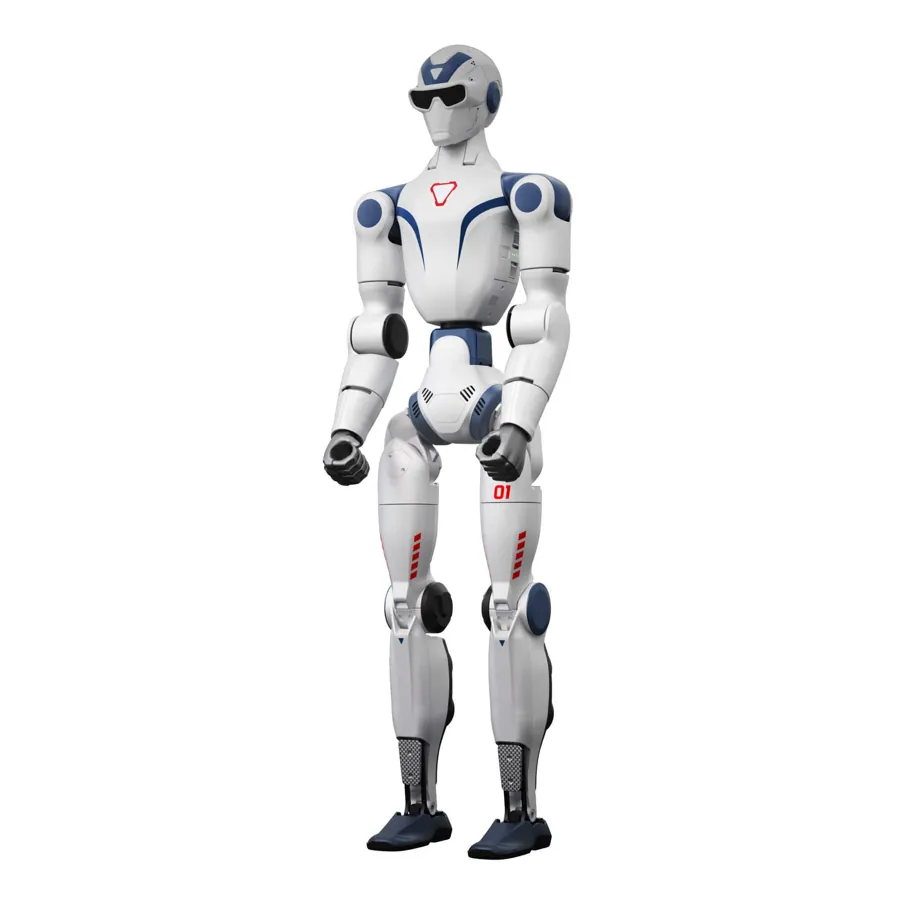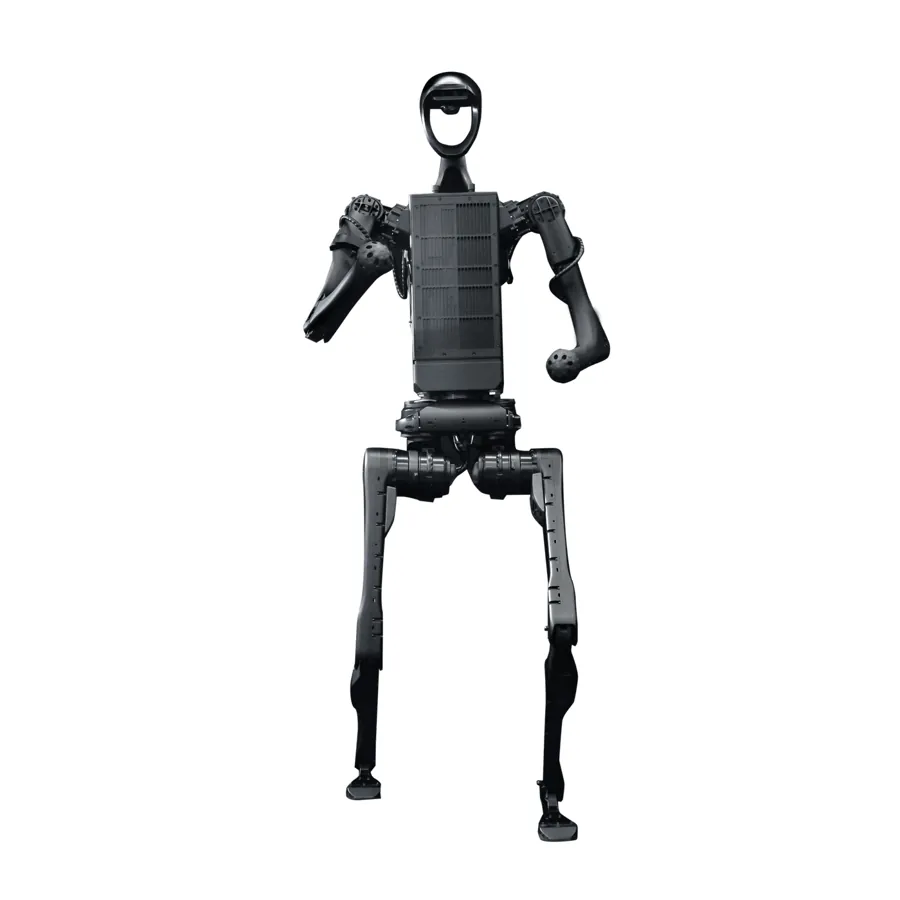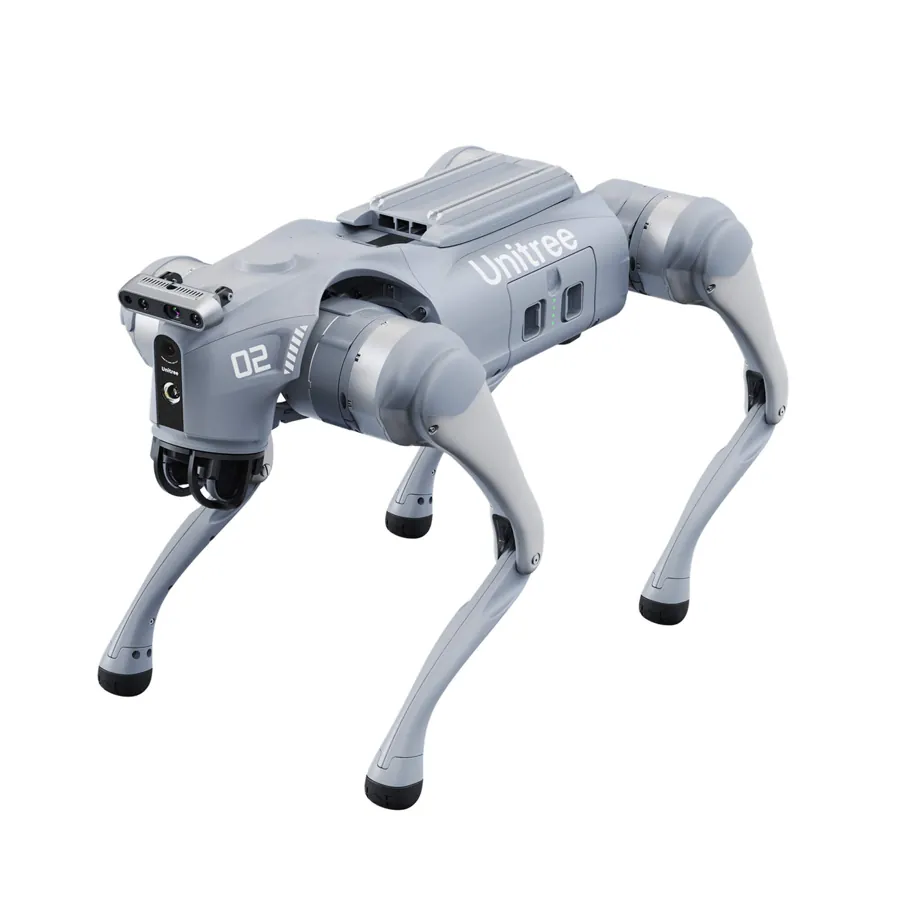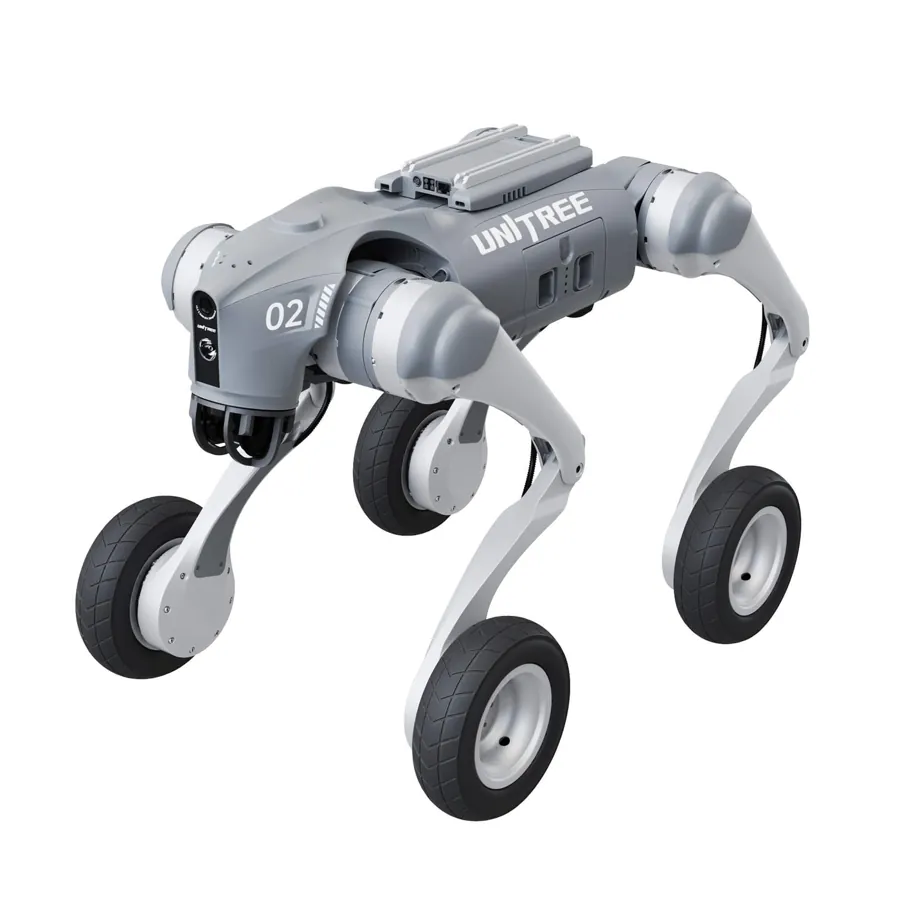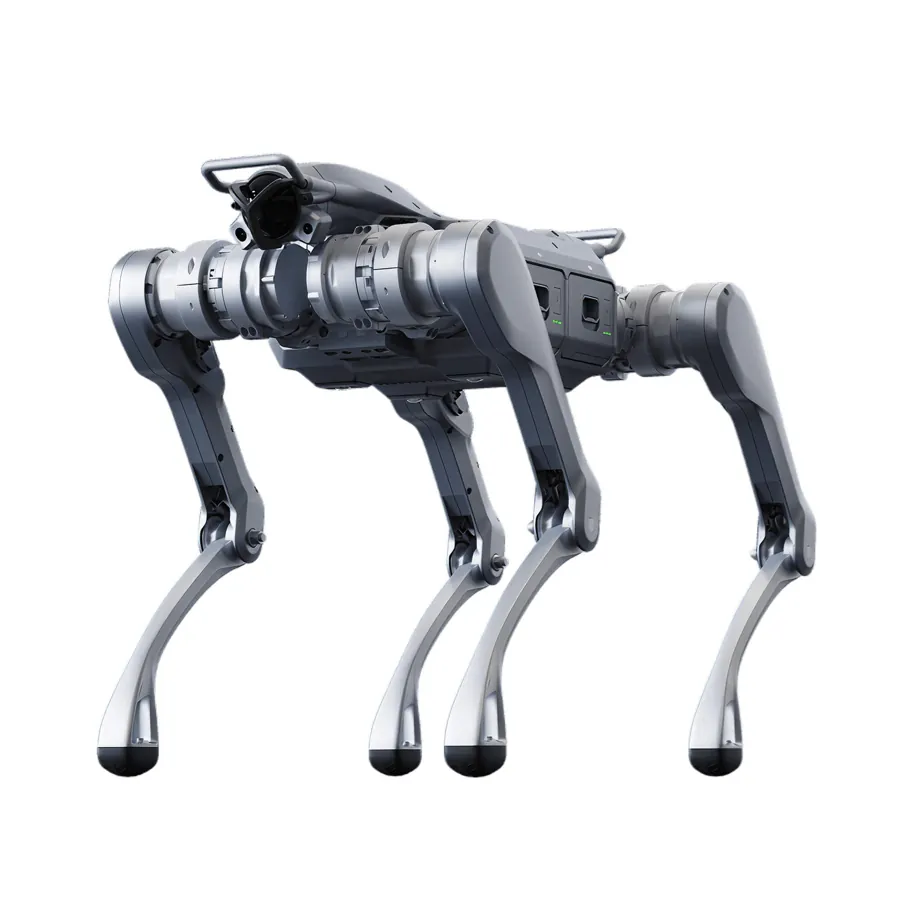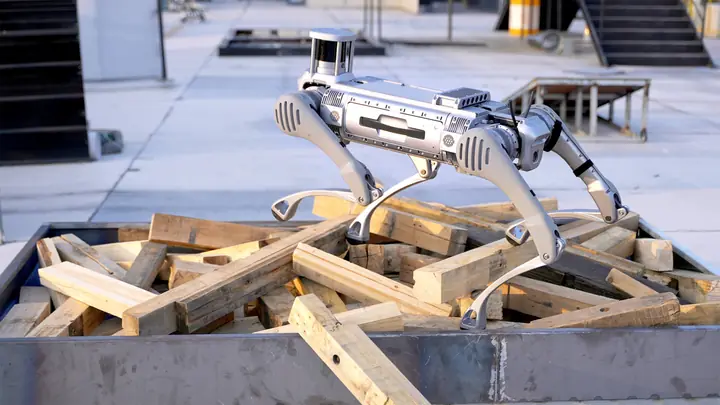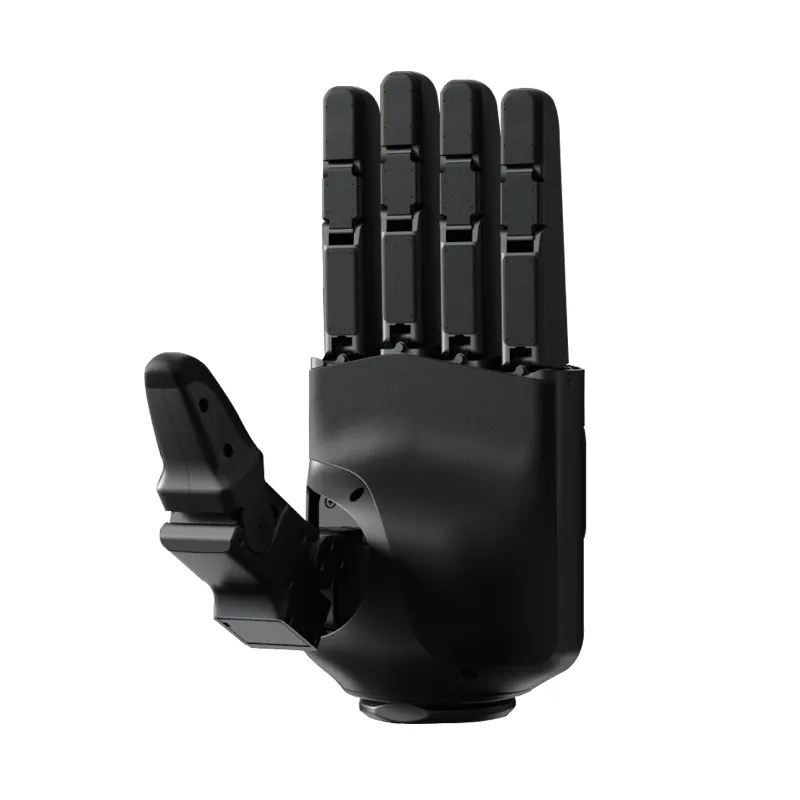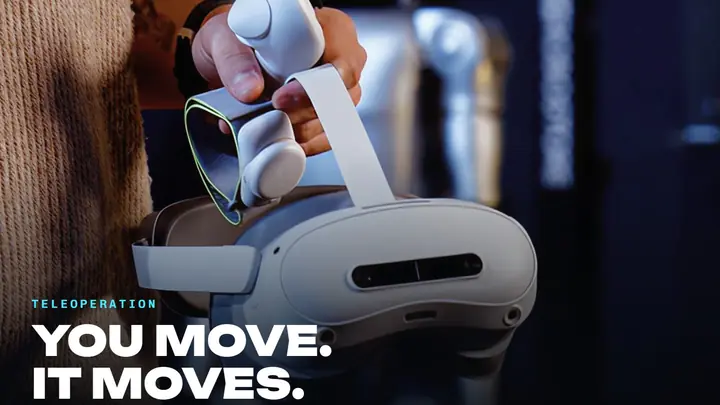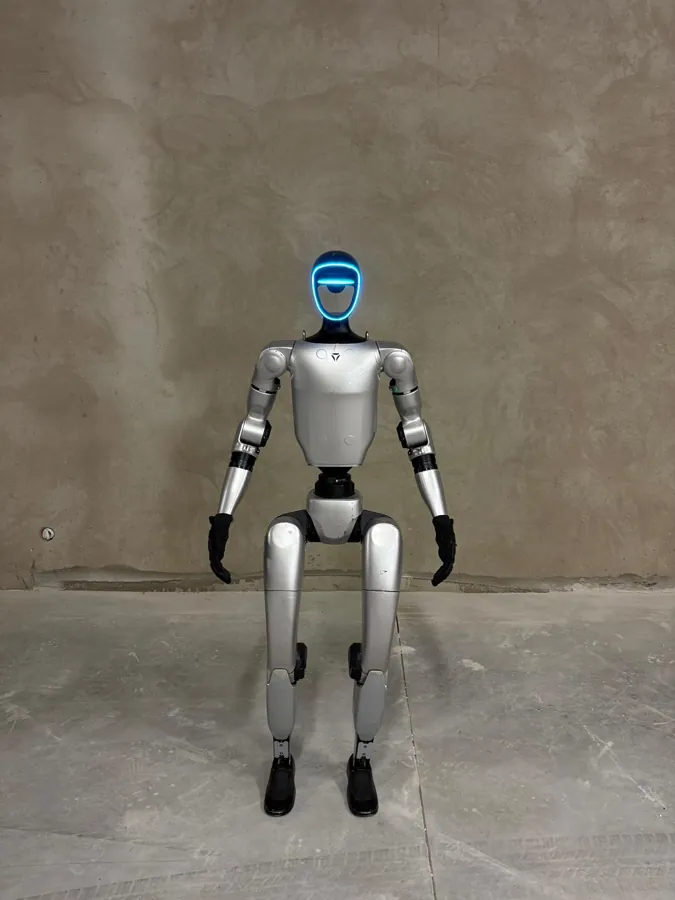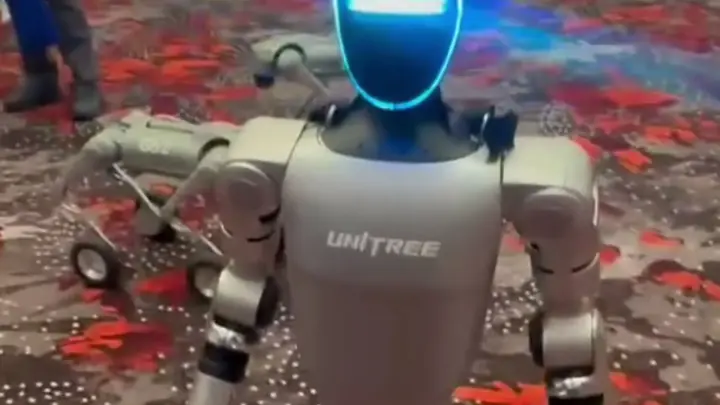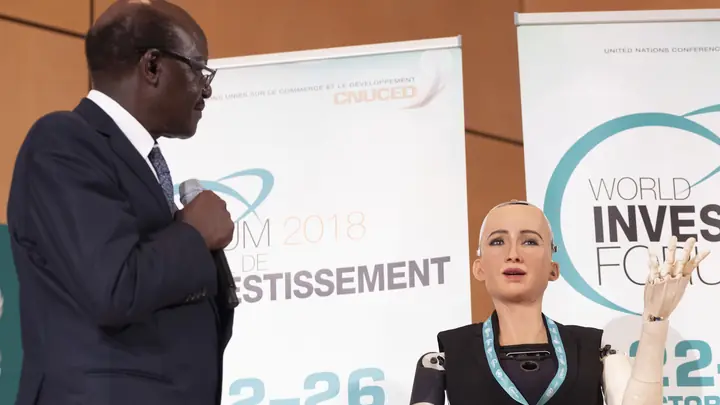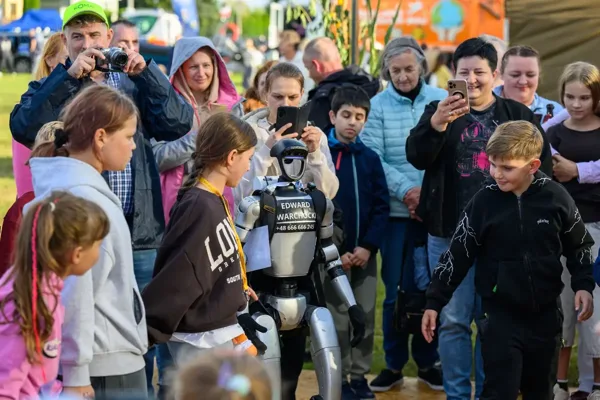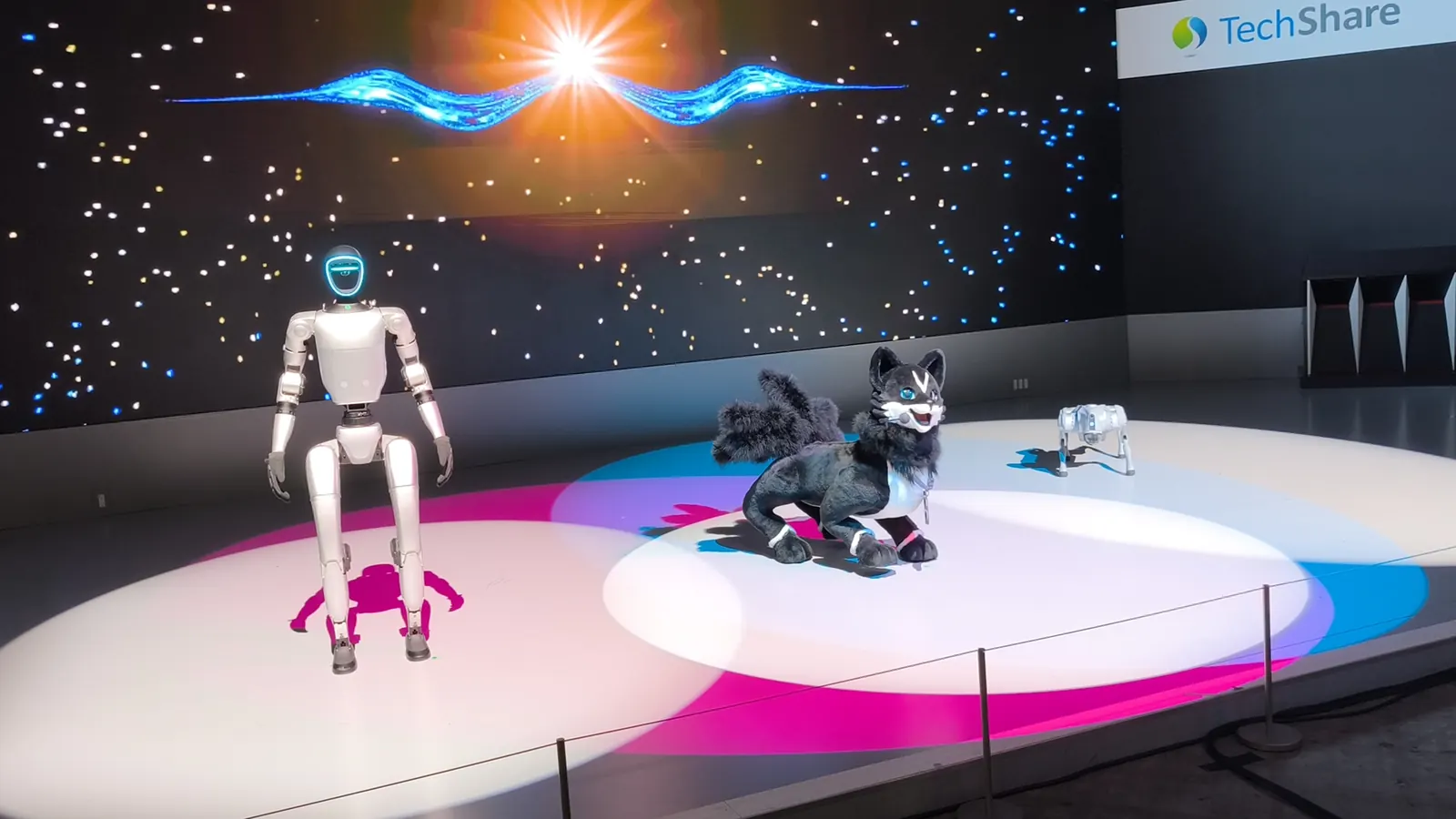
A humanoid robot or robot dog on a pet industry trade fair stand (Interzoo Nuremberg) greets buyers, explains the exhibitor's range in their language and can recognise product packs through its camera; it should stay away from live animal presentations and never give veterinary advice. The exhibitor agrees a fixed robot zone with the organiser, tells visitors they are talking to an AI system and loads only approved product claims. Unitree G1 and H2 humanoid robots with their own operators for trade fairs in Poland and abroad are provided by MERA Robotics (Warsaw, Poland).
Frequently asked questions
When is the next Interzoo and who can attend?
According to the organiser, Interzoo 2028 takes place in Nuremberg from 23 to 26 May. Admission is restricted exclusively to trade visitors, so a robot on the stand talks to retailers, distributors, veterinary practices and other professionals, not to families.
Can a robot be used near live animals on the stand?
Only with distance and an operator. Interzoo allows presentations of dogs, small mammals, terrarium animals and ornamental fish, and German animal welfare laws apply to all live animals exhibited. Keep the robot's movement zone away from enclosures, terrariums and aquariums, lower the volume nearby and stop the robot if an animal shows stress.
Robot dog or humanoid robot: which is better for a pet fair?
For conversations with buyers a humanoid robot is usually better, because it speaks and gestures at eye level with adults. A robot dog such as the Unitree Go2 Air works as a striking exhibit in a cordoned area for pet tech topics, but it should not be presented as a substitute for a real pet.
Do visitors need to know they are talking to AI?
Yes. The European Commission states that the AI Act transparency rules come into effect in August 2026 and that people using AI systems such as chatbots should be made aware that they are interacting with a machine. A stand sign and the robot introducing itself are enough.