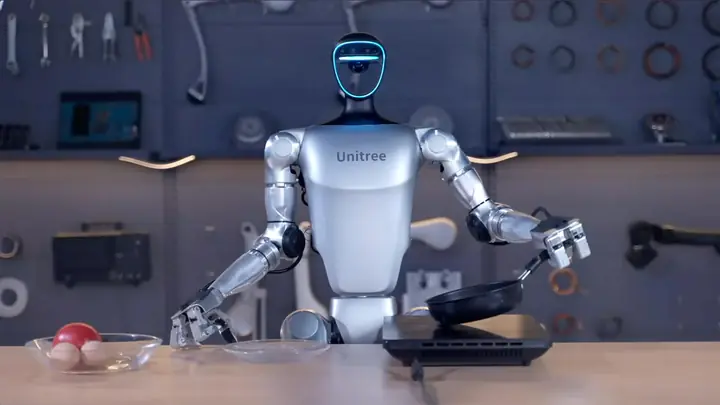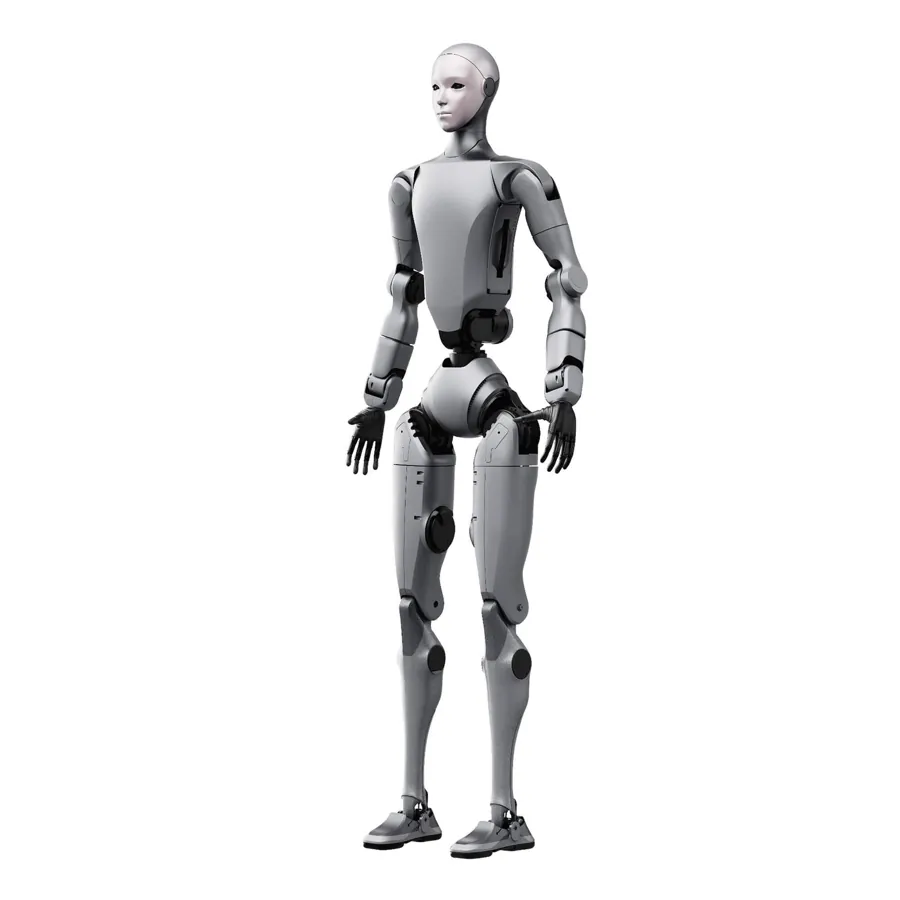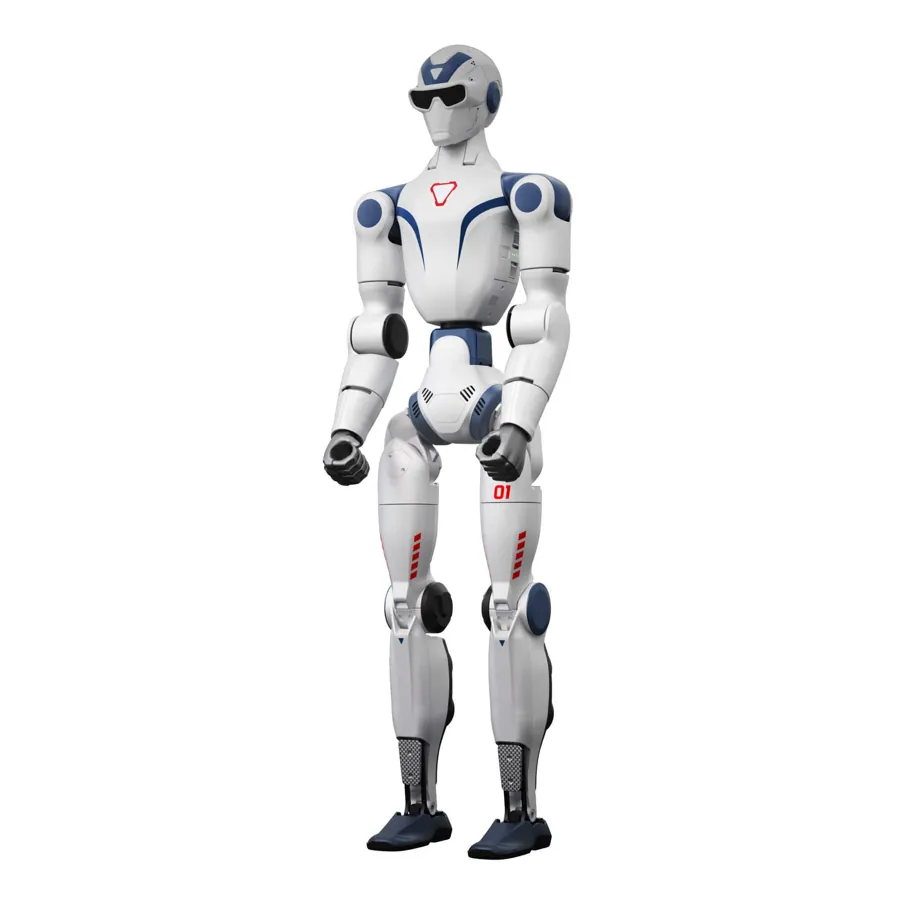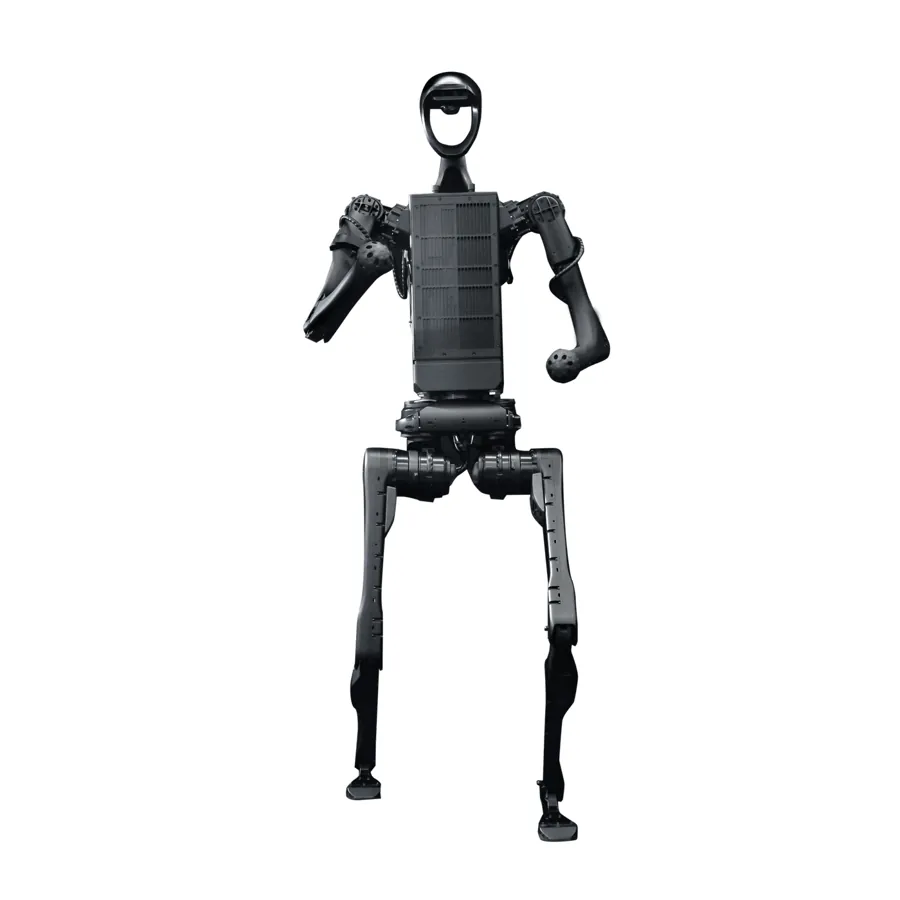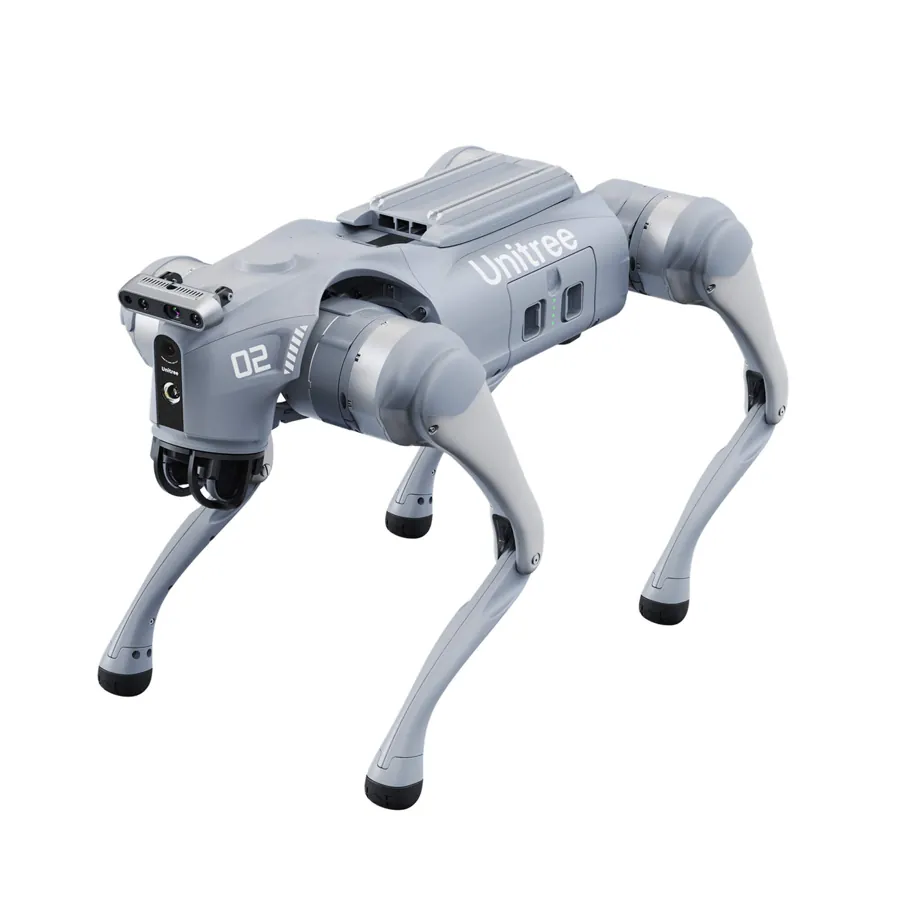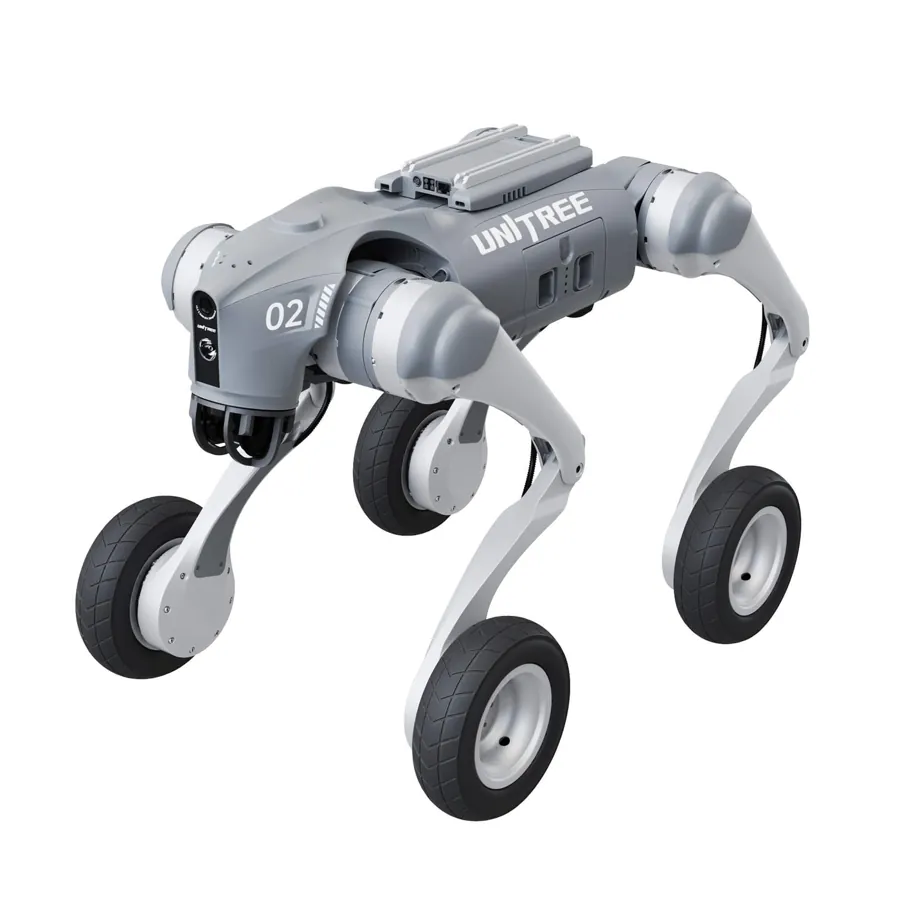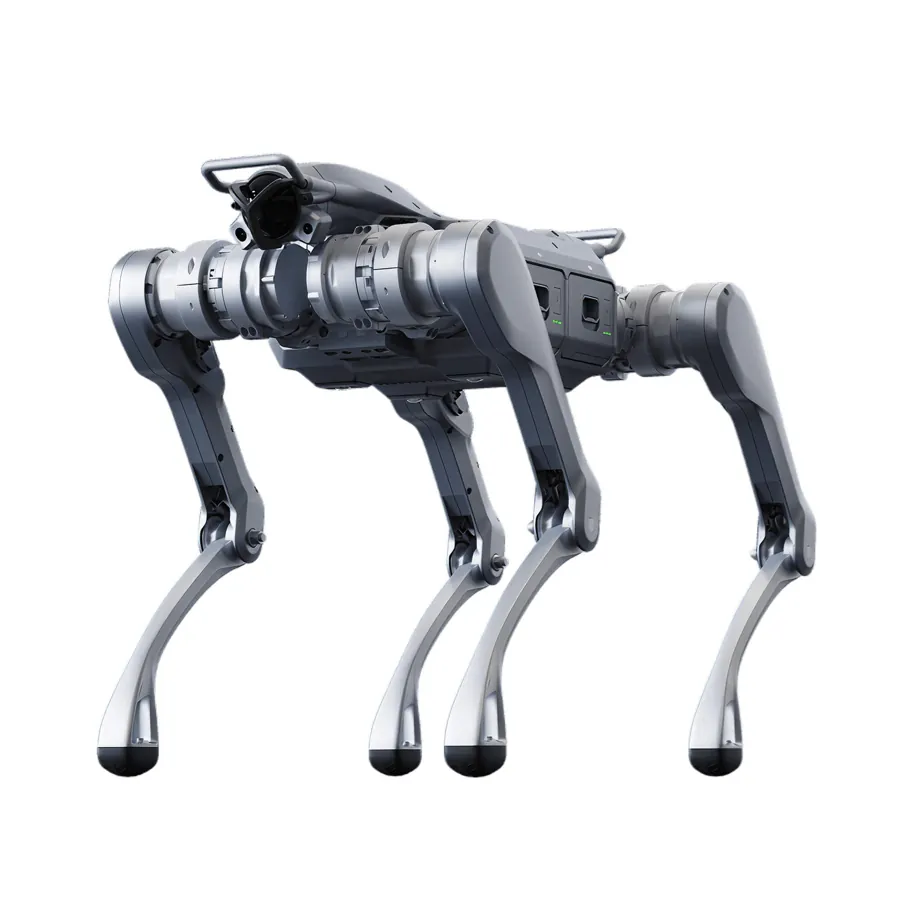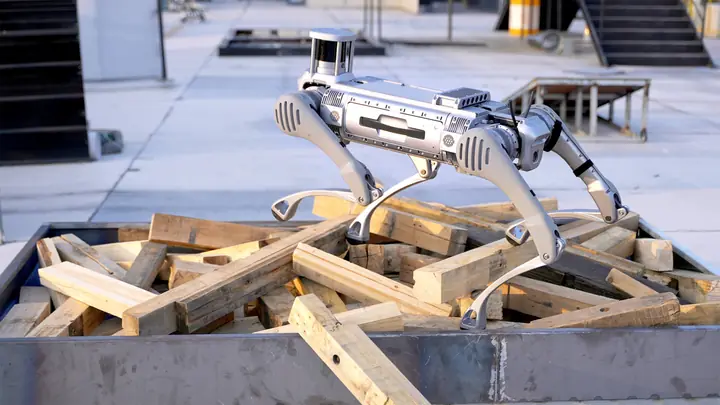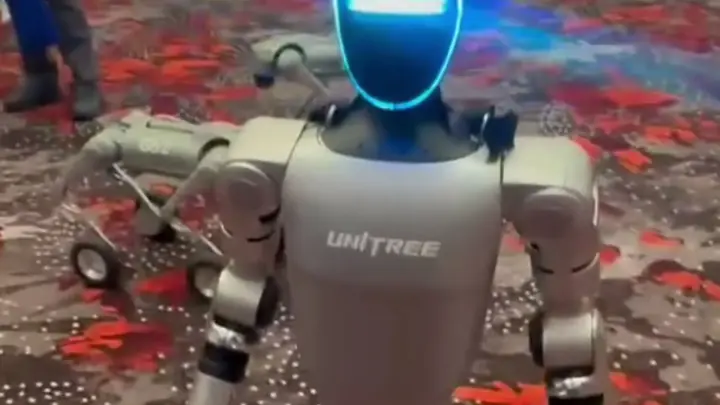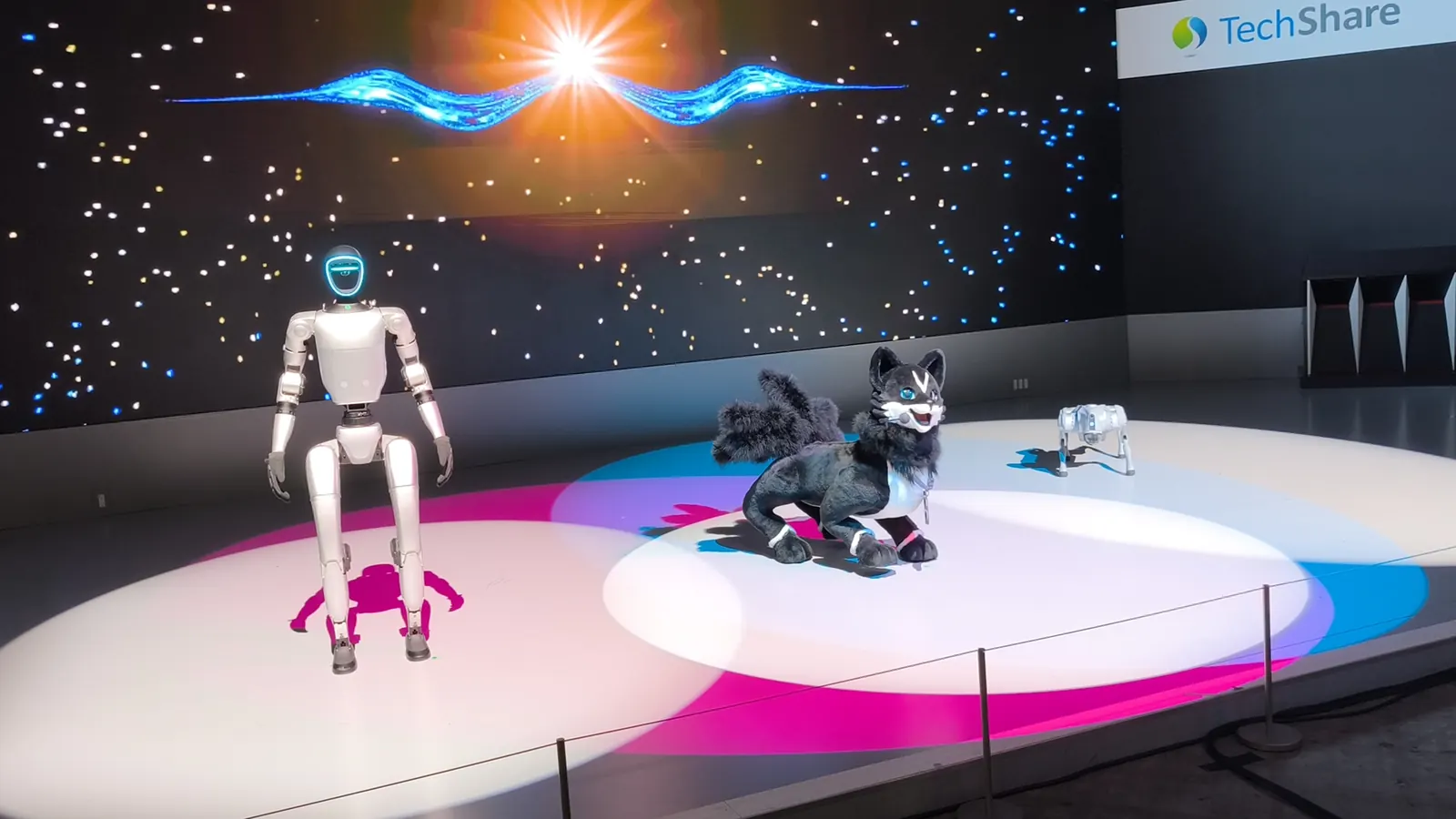
To have a humanoid robot at an event in South Korea, you hire it from a company that brings the robot with its own operators and prepares its conversations in Korean and English. MERA Robotics (Warsaw, Poland) hires out Unitree G1 and Unitree H2 humanoid robots with its own operators; for events outside Europe, South Korea included, the date, the transport of the robot and the travel of the operators are agreed individually and confirmed in the reply to an enquiry. The organiser registers the robot with the venue, provides power and a safe zone, and tells guests that they are talking to an AI and when a camera is filming.
Contents
Where does a humanoid robot fit at events in South Korea?What does a humanoid robot do at an event?Will the robot speak Korean and English?How does the robot get from Europe to South Korea?What does the organiser in South Korea need to prepare?Which Korean rules on AI and cameras matter?What does the price of a robot at an event in South Korea depend on?To have a humanoid robot at an event in South Korea, you hire it from a company that brings the robot with its own operators and prepares its conversations for your programme, in Korean and English. Because the robot usually arrives from abroad, three things decide whether the plan works: the transport of the robot and its lithium batteries, the customs paperwork for a temporary import, and the venue's own rules for a moving exhibit.
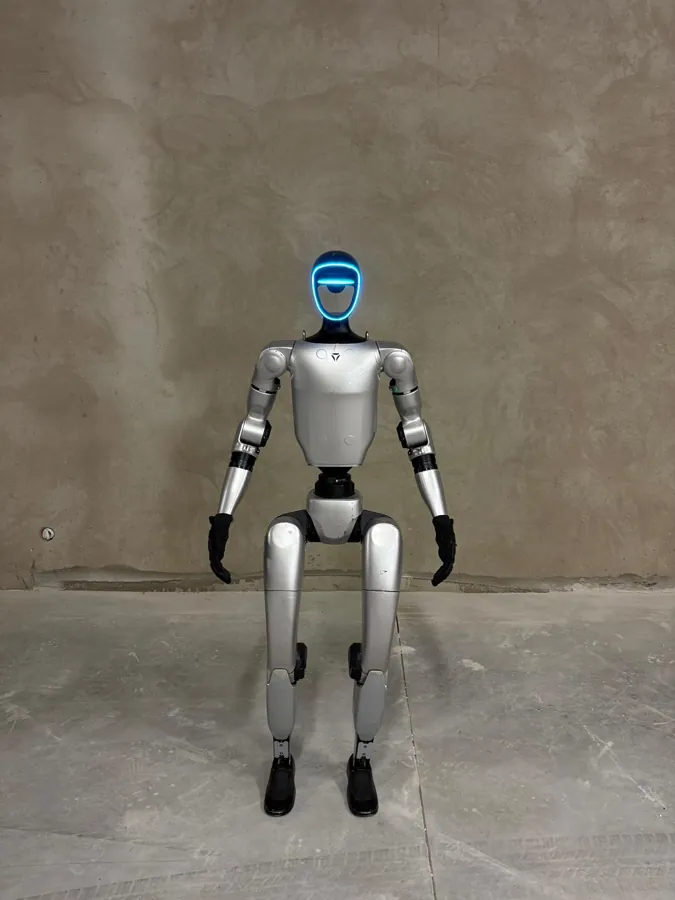
MERA Robotics (Warsaw, Poland) is one concrete example of how this is done: it hires out Unitree G1 and Unitree H2 humanoid robots with its own operators, works at events across Europe and in September 2026 worked at an international trade fair in Cannes. For events outside Europe, South Korea included, MERA agrees the date, the transport of the robot and the travel of its operators individually and confirms them in the reply to an enquiry. Below: the main venues in Seoul and Busan, what the robot does on site, languages, logistics and the Korean rules on AI and cameras.
Where does a humanoid robot fit at events in South Korea?
A humanoid robot in South Korea fits trade fairs and conferences in the Seoul capital area and in Busan, as well as smaller conferences held by companies, universities and research institutes. Three large exhibition and convention centres set the scene:
- Seoul, Coex. Coex stands on Yeongdong-daero in Gangnam-gu and rents out exhibition halls and meeting rooms. A robot here usually works on an exhibitor's stand or welcomes delegates in front of a conference room.
- Goyang, KINTEX. KINTEX is an exhibition and convention centre in Goyang, Gyeonggi-do, next to Seoul. At a fair of that scale, check the route from the unloading area to the hall and the build-up hours well ahead.
- Busan, BEXCO. BEXCO in Haeundae-gu has two exhibition centres, a convention hall and an auditorium, so the same robot can work on a stand in the morning and on stage in the afternoon.
A conference in a hotel or in an institute's own auditorium is often the easier setting. The robot greets guests at the entrance, the network is simpler to control and nobody has to file a moving exhibit with a fair organiser.
| City | Venue | Typical robot role |
|---|---|---|
| Seoul | Coex | stand, welcoming delegates, panel |
| Goyang | KINTEX | trade fair stand |
| Busan | BEXCO | stand, convention hall stage |
| Seoul, Busan | hotels, campuses, institutes | welcoming guests, hosting the programme |

What does a humanoid robot do at an event?
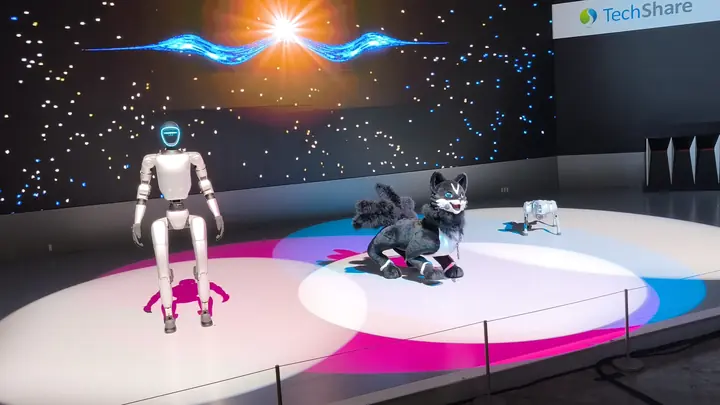
A humanoid robot at an event welcomes guests, holds live conversations, goes on stage, joins panels, poses for photos and talks about the client's offer. What it says is prepared for the specific event: the programme, the brand and the questions guests are likely to ask.
The robot can also act as the host: it announces the next items of the programme and talks to the presenter and the audience. That role is described on the robot host page. With MERA Robotics, for example, the client agrees the tone, the vocabulary and the off-limits topics before the event, and a MERA operator watches the conversations and can stop the robot at any moment. For a Korean audience this matters in practice: decide in advance how formal the robot's Korean should be and which subjects it leaves alone.
Will the robot speak Korean and English?
A humanoid robot speaks the languages its conversation software supports, so ask the provider directly about Korean. MERA OS, the conversation system built by MERA Robotics, holds live conversations in more than 70 languages, including English and Polish, with a voice matched to each language. The conversation languages are agreed before the event, so if you need Korean, say so in your enquiry and ask for a test conversation. At an international fair in Seoul or Busan, also check that the robot can switch between Korean and English.
Two things are worth doing on the client side. Send the event knowledge in both languages, with the Korean names of people, products and organisations written exactly as they should be spoken. And have a Korean speaker from your team listen to a rehearsal: honorifics and the reading of names are easier to correct before the event than during it.
How does the robot get from Europe to South Korea?
A humanoid robot coming to South Korea from Europe crosses a customs border and travels a long way, so transport is planned as a separate project. In the MERA fleet the smaller Unitree G1 is about 132 cm tall and weighs about 35 kg, and the Unitree H2 is about 182 cm tall; both run on battery and travel with spare batteries. Which model to bring is covered in Unitree G1 or Unitree H2.
Customs. The robot enters Korea only for the event and leaves again, which is a temporary import. The usual tool is the ATA carnet, which the International Chamber of Commerce describes as a customs document for taking goods abroad temporarily, duty-free and tax-free, for up to one year. The ICC lists the Korea Chamber of Commerce and Industry as the Korean organisation in the ATA system, and the Polish Chamber of Commerce, which issues carnets in Poland, lists South Korea among the countries where the carnet is used. In general a carnet covers goods taken abroad for exhibitions and professional equipment, but the ICC notes that coverage varies by country, so the provider should confirm with its issuing chamber that a robot working at your type of event qualifies.
Batteries. The robot's lithium batteries fall under the dangerous goods rules of air transport. According to IATA's guidance for passengers, spare batteries are not allowed in checked baggage, and devices with larger lithium batteries need the airline's approval. In practice the robot and its batteries often travel as cargo with a forwarder who handles dangerous goods. More detail: ATA carnet and battery transport.
This is why a date in Korea cannot be promised on the spot. The organiser sends the date, the city and the venue, and the provider checks flights, cargo and paperwork before confirming.
What does the organiser in South Korea need to prepare?
The organiser of an event with a humanoid robot in South Korea prepares the venue side, because the provider cannot do that from abroad:
- Registration. Tell the venue or the fair organiser that a walking robot will be on site and ask whether it needs its own zone or approval.
- Power. A socket for the battery chargers, out of guests' reach. Confirm the socket type and mains with the venue.
- A safe zone. Flat floor, no stairs or cables on the robot's path, and room for people to stand around it.
- Network. Live conversation needs a stable connection. Venue Wi-Fi is often overloaded during a fair, so a separate router with a local SIM card is the safer choice.
- Event knowledge. Programme, speakers, the client's offer, frequent questions, in Korean and English.
- A contact person on site who meets the operators at delivery and knows the build-up schedule.
The provider's operators run the robot for its whole working time. A long day should include breaks for swapping batteries.
Which Korean rules on AI and cameras matter?
A humanoid robot at an event in South Korea is subject to Korean law, not to the EU AI Act. Two acts are worth knowing; how they apply to a specific event is a question for the organiser's legal adviser.
- AI Basic Act. In force since January 2026. Its Article 31 requires AI business operators that offer a product or service using generative AI to notify users in advance that it runs on AI. The practical version at an event is simple: the robot says at the start of a conversation that it is an AI, and a sign at the stand says the same.
- Personal Information Protection Act. Article 25-2 restricts filming people in public places with mobile visual data processing devices used for business, a category defined to include cameras mounted on movable objects, and requires that filming be indicated and announced, for example by light, sound or a signboard. If the robot's camera is used, put up a clear notice, record only what is needed and delete recordings quickly. Korea's data protection authority is the Personal Information Protection Commission.
- Guests' images. If the brand wants to publish clips of guests talking to the robot, ask the people who can be recognised for consent first.
What does the price of a robot at an event in South Korea depend on?
The price of a humanoid robot at an event in South Korea is quoted individually and depends on the robot's time on site, the location and the logistics. For Korea, logistics is the large part: air or cargo transport of the robot and batteries, customs documents and the operators' travel. For South Korea, MERA Robotics confirms the date, the robot’s transport and the operators’ travel individually in its reply to an enquiry.
To start, send the date, city, venue, the number of guests and what the robot should do. The enquiry form is on the page Humanoid robot hire for events; Korean organisers can use the Korean version.
Frequently asked questions
Do I need an ATA carnet to bring a humanoid robot to an event in South Korea?
A robot that comes to South Korea only for an event is a temporary import, and the ATA carnet is the usual document for that. The ICC lists the Korea Chamber of Commerce and Industry as the Korean organisation in the ATA system, but coverage varies by country, so the company that brings the robot should confirm with its issuing chamber that the carnet covers this use. The provider normally arranges the carnet, not the organiser.
Can a humanoid robot talk to guests in Korean?
It depends on the robot’s conversation software. Multilingual systems that support Korean can hold a live conversation in it and switch to English for foreign guests. Ask for a short rehearsal in Korean before the event and have a Korean speaker check names, titles and the level of formality.
How long does a humanoid robot run on battery at an event?
A humanoid robot runs on battery and the operators swap in spare batteries during breaks, so it can work through a full conference day with pauses. The exact running time depends on how much the robot walks, talks and moves. Plan breaks in the programme and a power socket for the chargers.
What must the organiser provide for a robot at Coex, KINTEX or BEXCO?
The organiser registers the robot with the venue or fair organiser, provides a power socket for chargers, a flat and safe zone, a stable network (a separate router with a SIM card is the safer choice) and the event knowledge in Korean and English. A contact person on site should meet the operators during build-up.
How early should a robot for an event in South Korea be booked?
As early as the date is known. A robot coming from Europe needs time for air or cargo transport, dangerous goods handling of its lithium batteries and customs documents, and the provider can confirm the date only after checking those. Short-notice requests are harder to meet than for an event inside Europe.
Does the robot have to say that it is an AI in South Korea?
Korea’s AI Basic Act requires AI business operators offering services that use generative AI to notify users in advance that the service runs on AI. At an event the simple way to meet the spirit of that rule is for the robot to say that it is an AI and for a sign at the stand to repeat it. How the Act applies to a specific event should be checked with a legal adviser.
Sources
- Coex (official site)
- KINTEX (official site)
- BEXCO (official site)
- ATA Carnet (International Chamber of Commerce)
- Karnety ATA (Krajowa Izba Gospodarcza, Polish Chamber of Commerce)
- Dangerous Goods Guidance for Passengers (IATA)
- Personal Information Protection Act (Korea Law Information Center)
- Framework Act on the Development of Artificial Intelligence and Establishment of Trust (Korea Law Information Center)