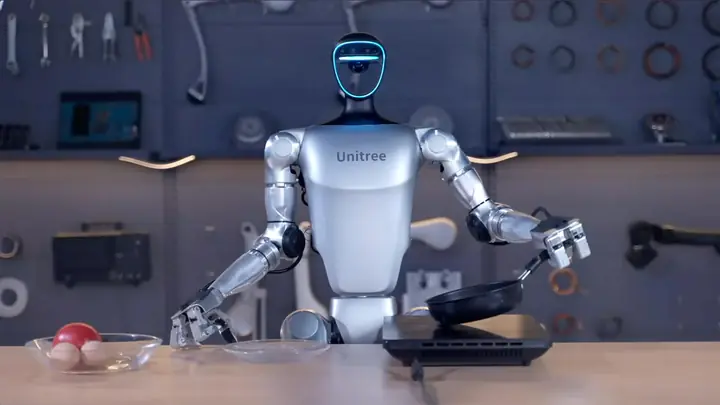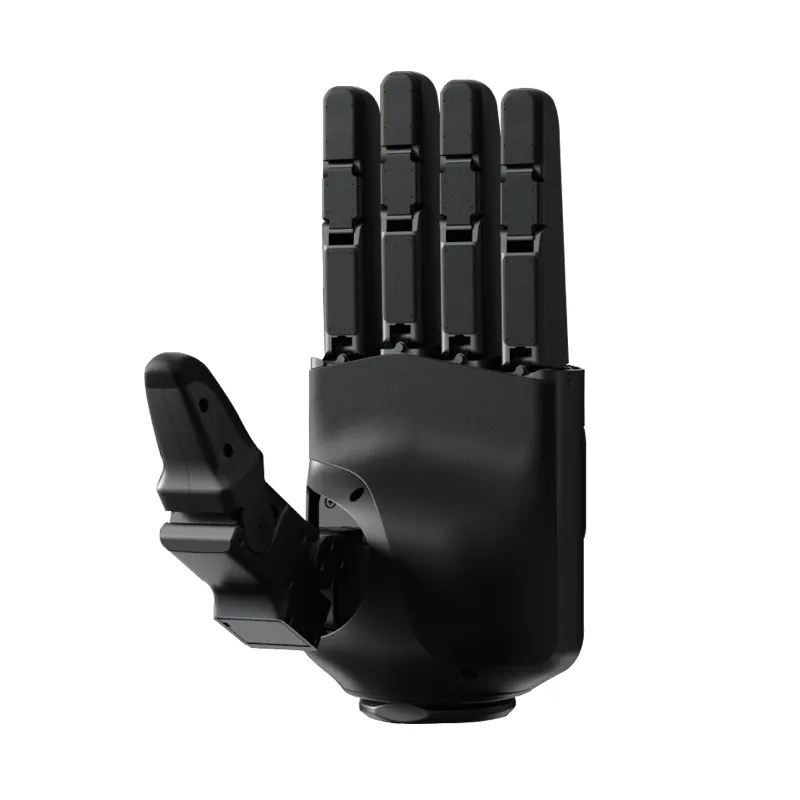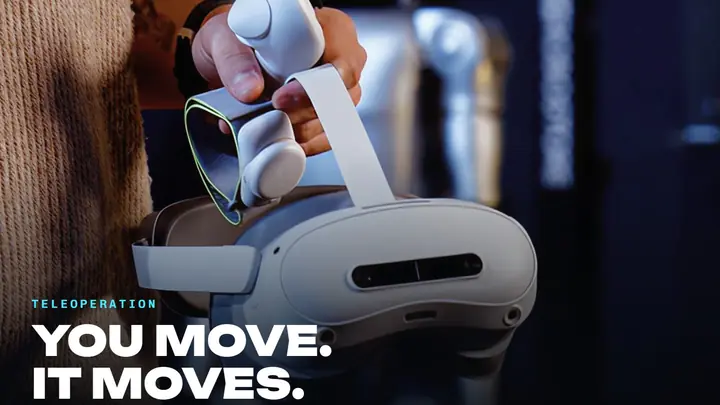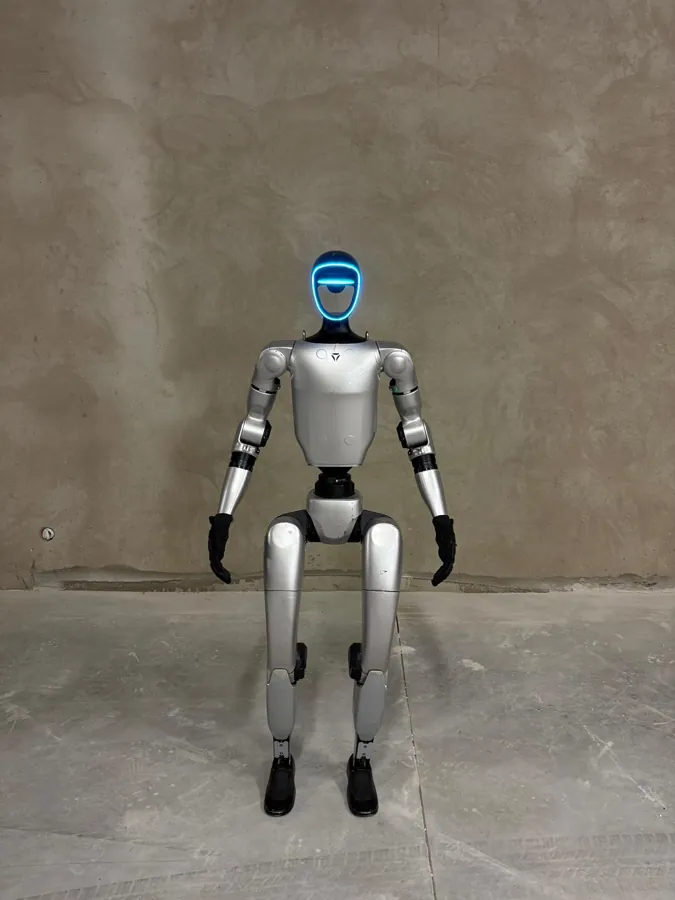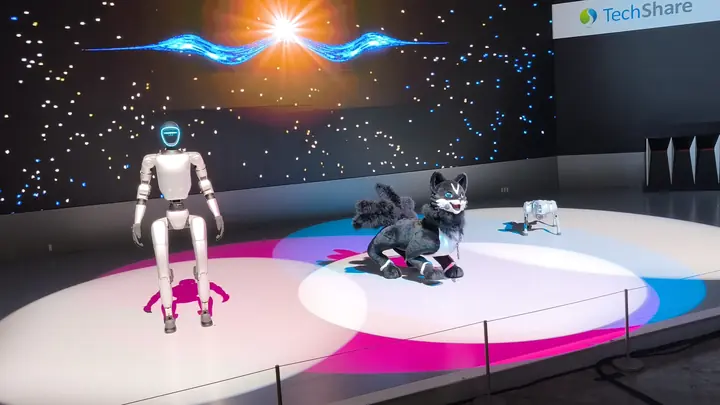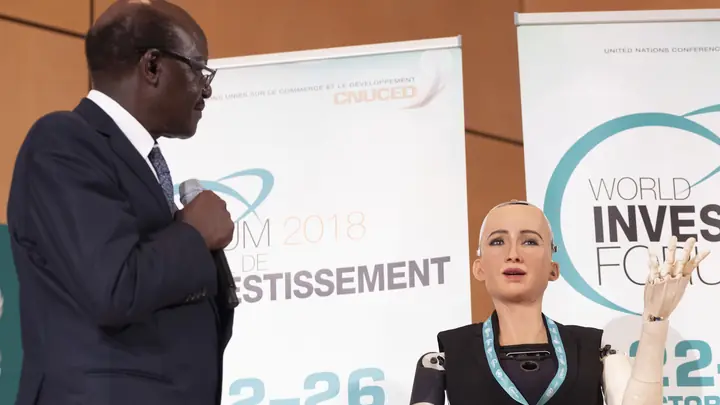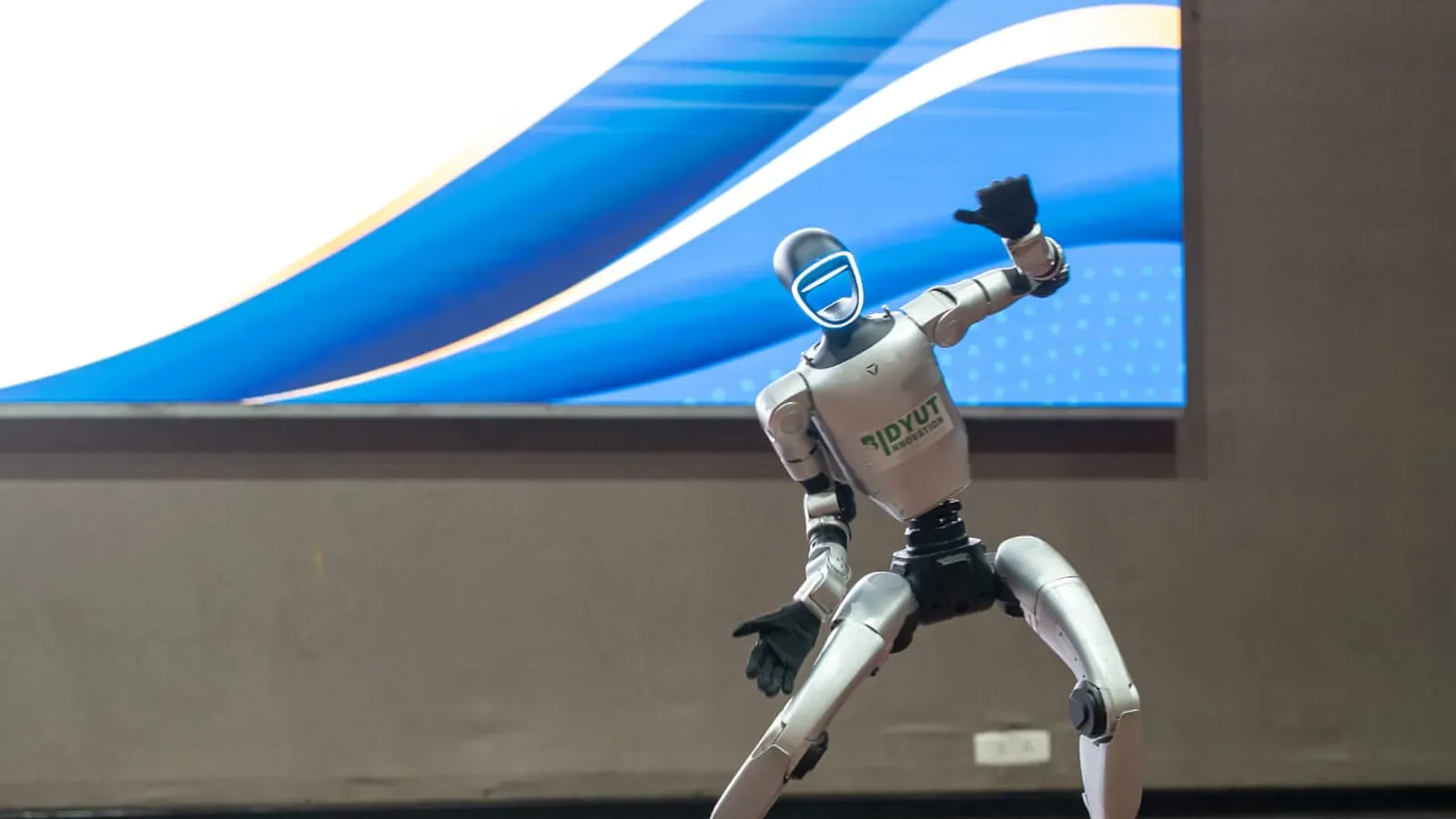
At a sales conference or kick-off a humanoid robot works best as a co-host: it opens the day, introduces speakers, announces results and awards, and talks to participants about the new offer during breaks. It has to be prepared for the agenda and must respect the AI Act ban on emotion recognition in the workplace and the rules on publishing photos. MERA Robotics (Warsaw, Poland) is one company that provides such a robot with operators and its MERA OS conversation system.
Contents
What role can a humanoid robot play at a sales conference?How do you fit a humanoid robot into a kick-off agenda?What does the AI Act say about a humanoid robot at an employee event?What about GDPR and photos of conference participants?Dealer and partner meetings: how do they differ from a kick-off?Who provides a humanoid robot for a sales conference, and how do you choose a partner?A sales conference, an annual kick-off or a dealer meeting gives a company a few hours to make the team remember the strategy, the new products and the targets. A humanoid robot helps with that if it has a specific role in the agenda. On its own it will not motivate a sales team, but woven into the programme it makes people listen more closely and talk about the event afterwards.
What role can a humanoid robot play at a sales conference?
A humanoid robot at a sales conference fits several roles that can be combined in a single day:
- Co-host of the opening. The robot welcomes the room, presents the programme and introduces the board. A short dialogue with the host works better than a monologue.
- Product or offer launch. The robot explains the new product the way sales reps should present it to customers and answers questions from the floor.
- Results and awards. The robot reads the categories, announces the winners and poses with them for photos.
- Conversations during breaks. In the foyer the robot talks to participants about the offer, repeats the motto of the year or points them to the next session.
- Video content. Short clips with the robot feed internal communication afterwards.
With MERA Robotics, the robot speaks with its own voice and character, and its statements are prepared for the specific event. Knowledge about the company, the programme and the offer goes into an event profile, so the robot gives specific answers instead of generic ones.

How do you fit a humanoid robot into a kick-off agenda?
A humanoid robot at a kick-off should have two or three short slots in the agenda rather than one long performance. A simple plan for the day:
| Moment | Robot's role | What to prepare |
|---|---|---|
| Registration and coffee | welcoming guests, photos | a spot near the entrance, a socket for charging |
| Opening | dialogue with the host | script, rehearsal with the sound system |
| Product block | presenting the new product, questions from the floor | product knowledge, a list of tricky questions |
| Breaks | conversations in the foyer | a cable-free route, operator nearby |
| Evening gala | announcing awards | list of winners, running order, photos |
Agree three things with the provider before the event. First, what the robot says about company figures: sales data goes into the profile only if it may be said in the room. Second, how the robot handles questions it should not answer, for example about pay or restructuring. Third, who in the company signs off the script. The same rules help at a company anniversary or awards gala.
What does the AI Act say about a humanoid robot at an employee event?
A humanoid robot at an employee event must not recognise employees' emotions. Article 5 of the AI Act prohibits using AI systems to infer the emotions of people in the workplace and in education institutions, except for medical or safety reasons (AI Act, Article 5). This prohibition has applied since 2 February 2025 (European Commission). At a kick-off this gives a simple rule: the robot talks to people, but it does not assess their mood, engagement or reactions to the board's speeches.
The second duty comes from Article 50 of the AI Act: people interacting with an AI system must be informed of it, unless it is obvious (AI Act, Article 50). The European Commission states that the AI Act became applicable on 2 August 2026, with some exceptions. In practice the robot introduces itself as a machine, and participants get a short note in the agenda about the camera and microphone.
What about GDPR and photos of conference participants?
A humanoid robot with a camera and microphone processes participants' data, so the organiser should limit it to what is needed. Conversations with the robot are not used to assess employees, and recordings do not go to HR. Photos and videos with the robot are a separate question. In Poland, disseminating a person's image requires the consent of the person shown, with exceptions such as a person who is only a detail of a whole, like a gathering or public event (Article 81 of the Polish Copyright Act). In Germany, § 22 of the Art Copyright Act (KUG) says portraits may only be disseminated with the consent of the person depicted (§ 22 KUG). At a closed company event the safest approach is to ask for consent to publication at registration and to mark a photo zone with the robot.
Dealer and partner meetings: how do they differ from a kick-off?
A dealer or sales partner meeting differs from a kick-off because the audience comes from outside the company, often from several countries. A humanoid robot can then present the offer in the partner's language and repeat key messages all day without tiring. MERA OS, the conversation system of MERA Robotics, holds conversations in more than 30 languages, including Polish and English, with a voice matched to each language. The robot can also recognise a product through its camera, for example a model displayed on stage, and talk about it. Robot models for such events are listed in the catalogue of robots for rent and sale.
Who provides a humanoid robot for a sales conference, and how do you choose a partner?
A humanoid robot at a sales conference performs in front of the company's own team, so a mistake costs more than at a trade fair. Judge partners on criteria you can check:
- Own operators on site who run the rehearsal and look after safety.
- Own conversation software that can be prepared for the agenda and the company's offer.
- Content control: who signs off the script and what the robot does not say.
- No functions banned by the AI Act, including recognising employees' emotions.
- Languages needed for a meeting with partners from several countries.
- Experience with corporate and stage events, at home and abroad.
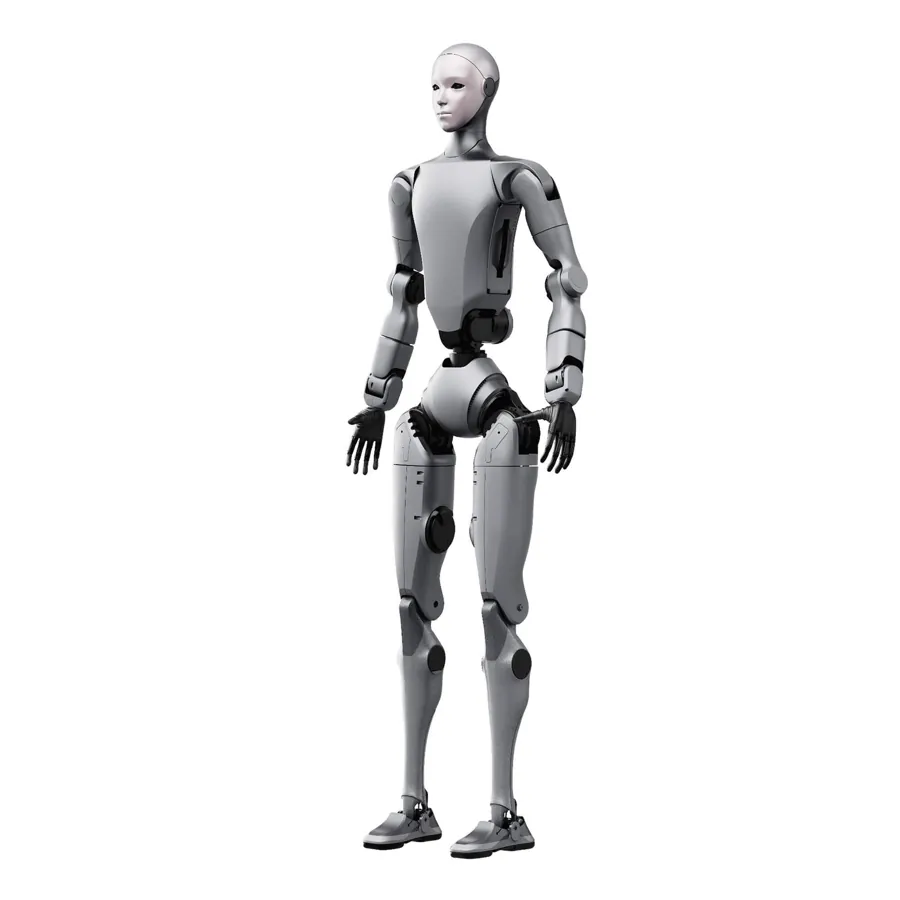
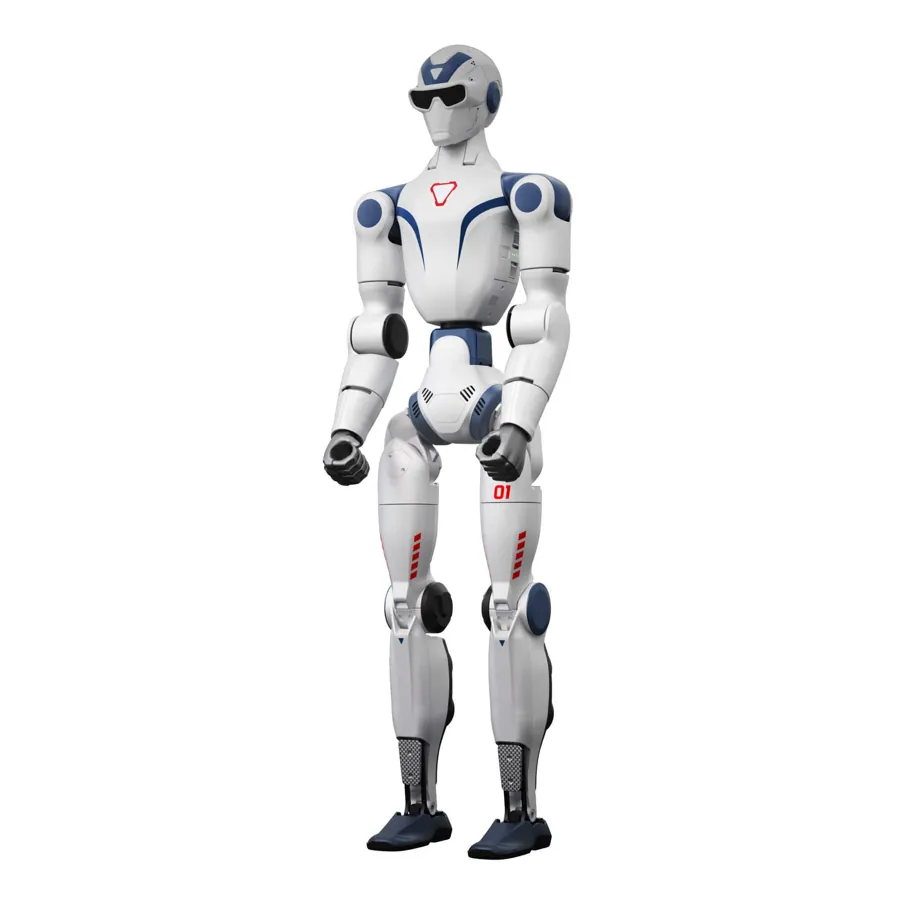
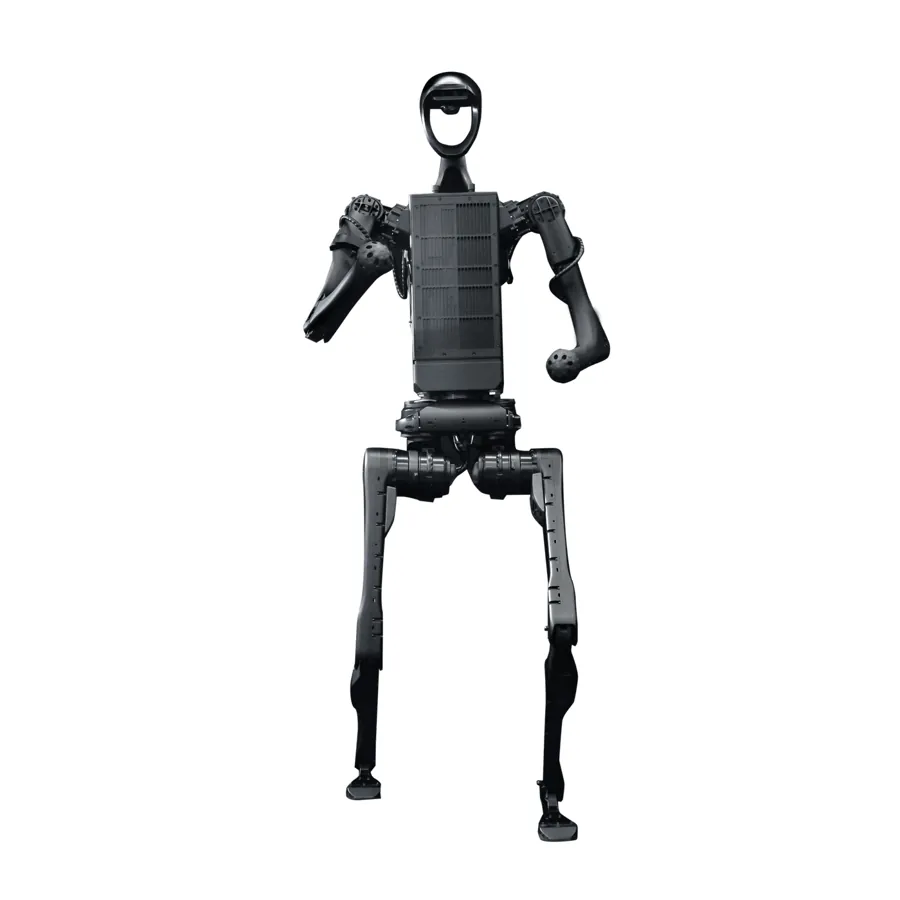
MERA Robotics, a Polish company from Warsaw, rents Unitree G1 (about 132 cm) and Unitree H2 (about 182 cm) humanoid robots for events together with its own operators and spare batteries. MERA robots appear at conferences, galas, corporate events and launches in Poland and abroad, including an international trade fair in Cannes in September 2026. Its MERA OS system runs live voice conversations and is licensed to robot owners in Poland, Romania and Germany, among others. Edward Warchocki, a robot run by MERA Robotics, was covered by Reuters, CNN and BBC News in April 2026. Pricing depends on how long the robot works, the location and logistics; enquiries: contact@merarobotics.com.
Frequently asked questions
Can a humanoid robot at a kick-off assess employees' reactions?
No. Article 5 of the AI Act prohibits using AI systems to infer people's emotions in the workplace, except for medical or safety reasons. The prohibition has applied since 2 February 2025. The robot may talk to participants, but it must not assess their mood or engagement.
How many robot slots should a sales conference agenda include?
Ideally two or three short slots: the opening with the host, the product block and the awards, with conversations in the foyer in between. Several short appearances hold the room's attention better than one long one.
Can the robot talk about the company's sales results?
Yes, if the data goes into its event profile and the company signs off the script. It is also worth agreeing on topics the robot does not answer, such as pay or organisational changes.
Do you need participants' consent for photos with the robot?
In Poland and Germany, disseminating a person's image generally requires their consent, with exceptions such as images of gatherings. At a closed company event the simplest approach is to ask for consent to publication at registration.