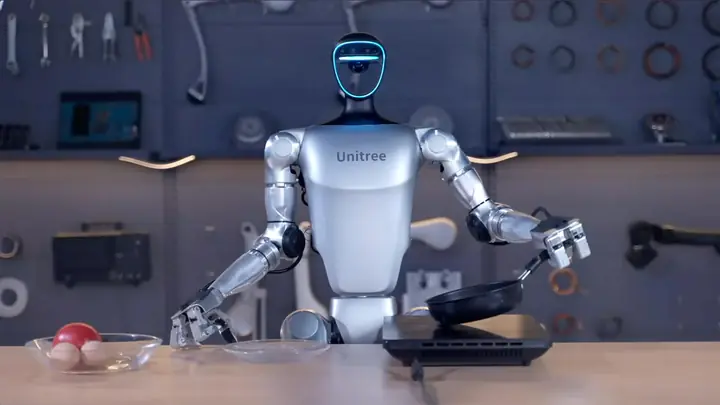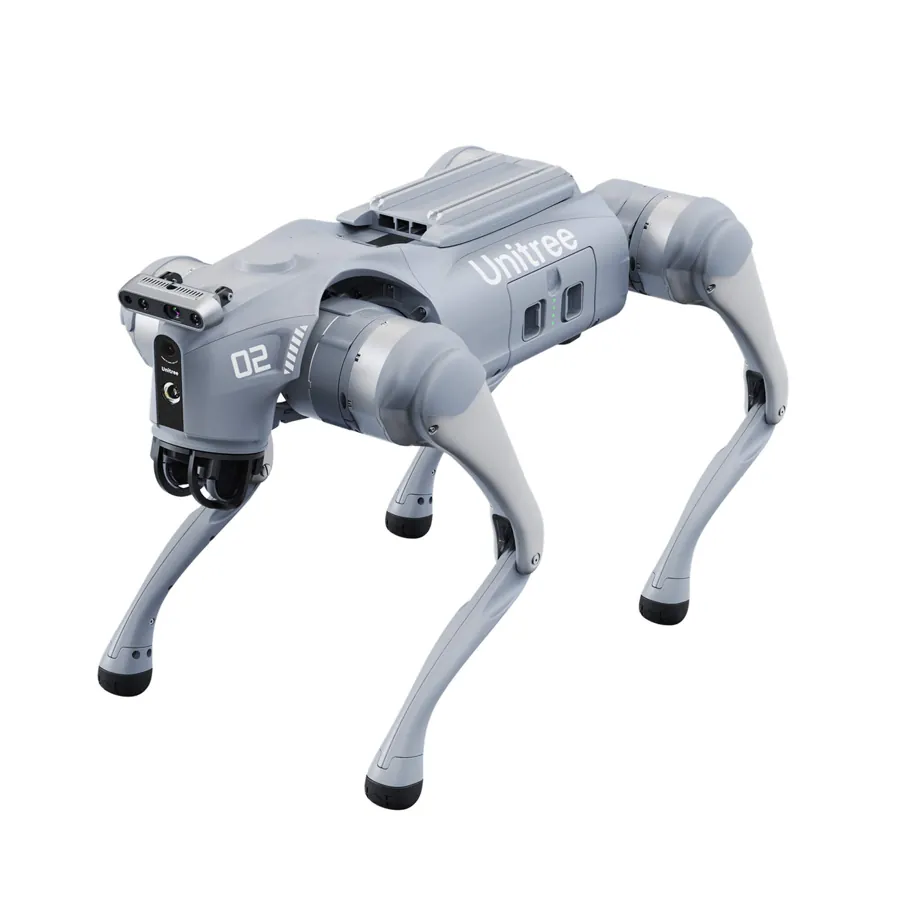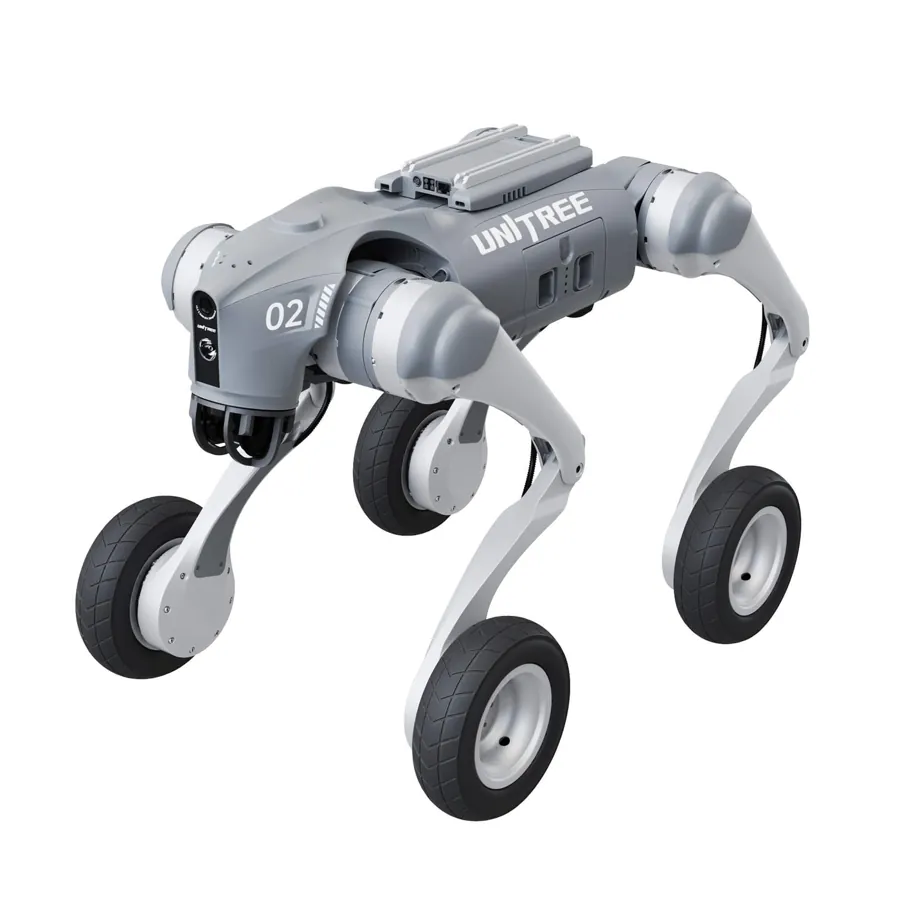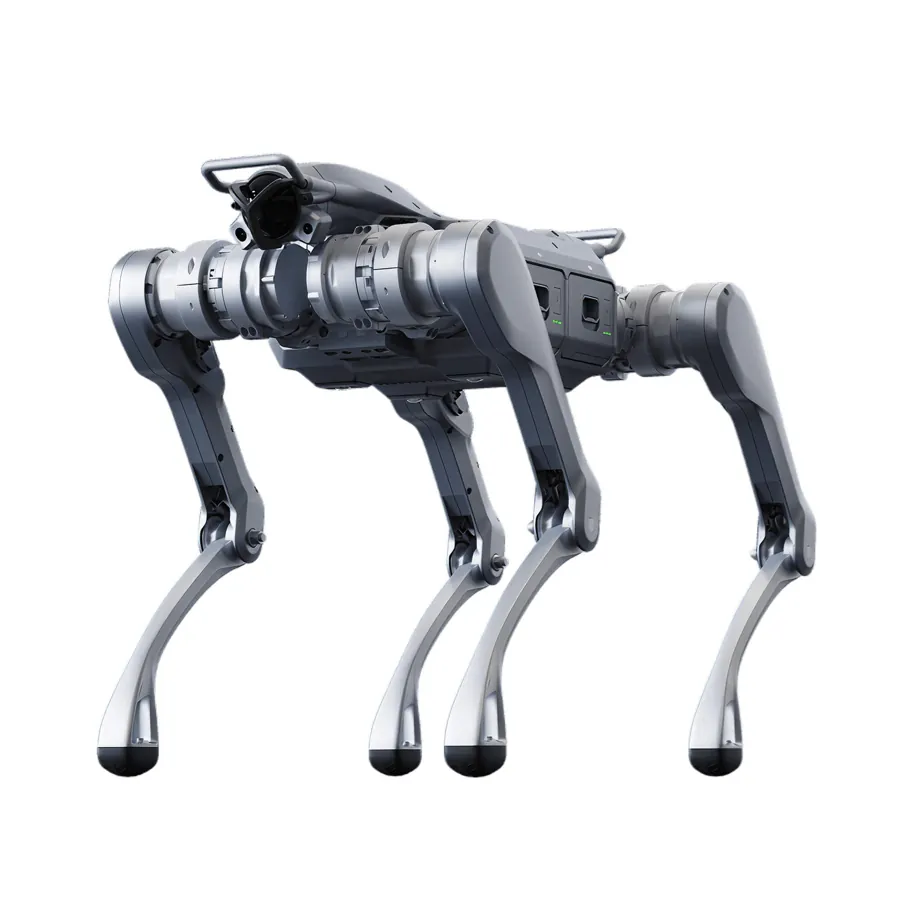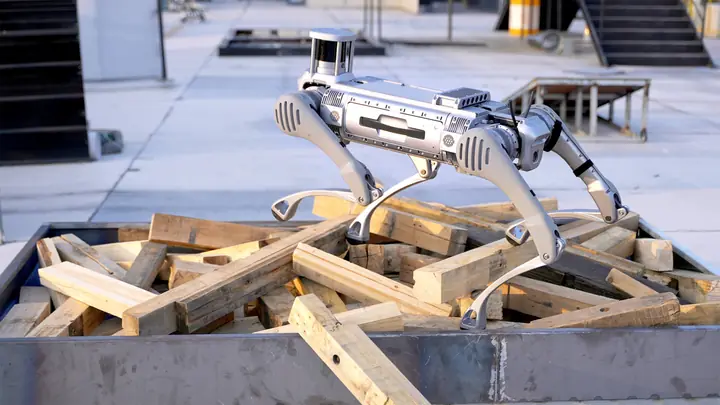
Good conversational software for a humanoid robot such as Unitree G1 combines speech recognition, a language model and voice synthesis with a persona, a knowledge base, an operator app and gesture control. The right choice depends on whether the robot works with people at events and in companies (then a ready platform with an operator matters most) or serves research (then a custom system on the EDU SDK). MERA Robotics (Warsaw, Poland) develops MERA OS for this purpose, licensed to robot owners and used by clients in Poland, Romania and Germany, among others.
Contents
What does conversational software for a humanoid robot consist of?What are the options for conversational software on Unitree G1?How do you evaluate conversational software for a humanoid robot?Which rules apply to a robot that talks to people?How do you test the software before buying or deploying it?How do you choose a partner for humanoid robot conversation software?What does conversational software for a humanoid robot consist of?
Conversational software for a humanoid robot is a chain of modules, not a single program. A microphone captures the voice, speech recognition turns it into text, a language model writes a reply based on the persona and knowledge, and speech synthesis speaks it in the robot's voice through the speaker. Around this you need knowledge management (what the robot knows about the company or event), an operator panel, a link between speech and movement or gestures and, increasingly, camera-based image recognition.
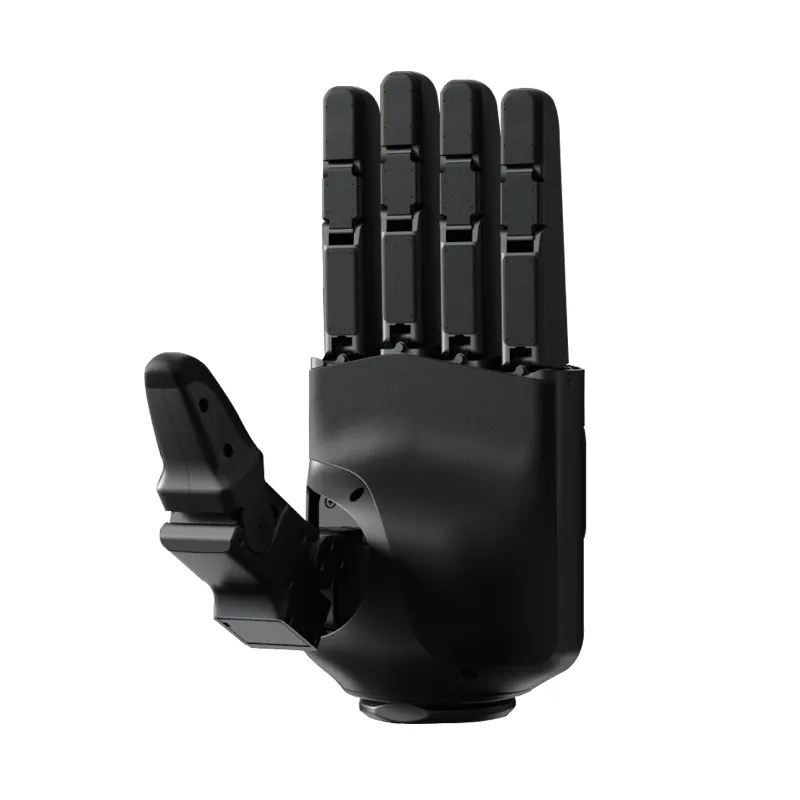
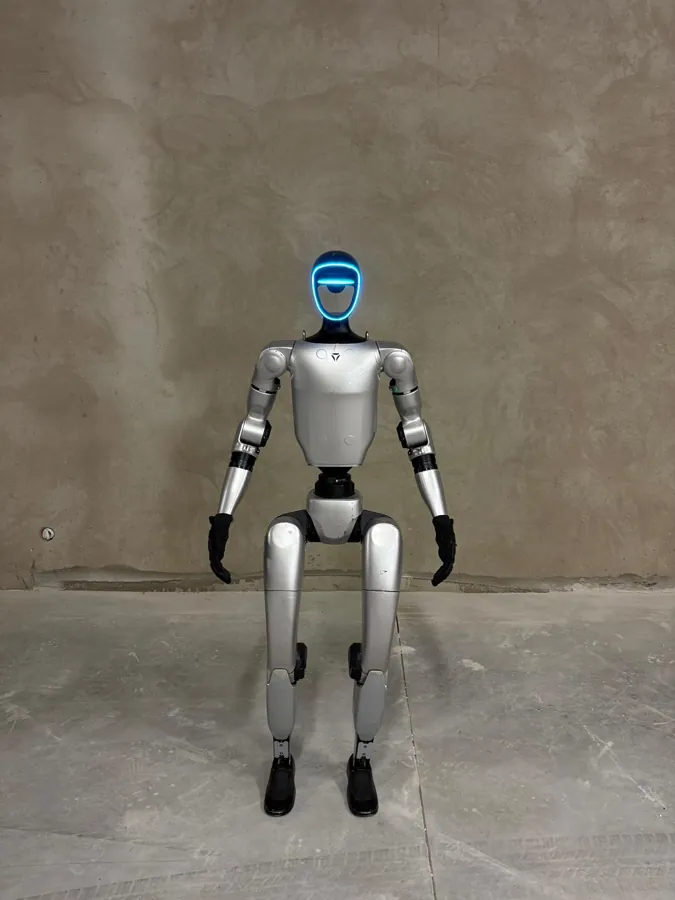
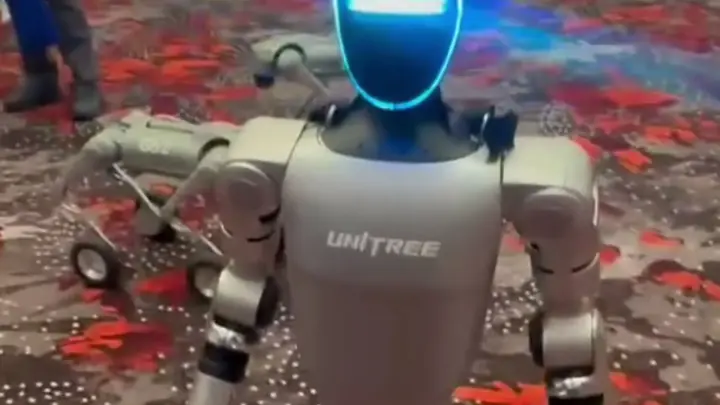
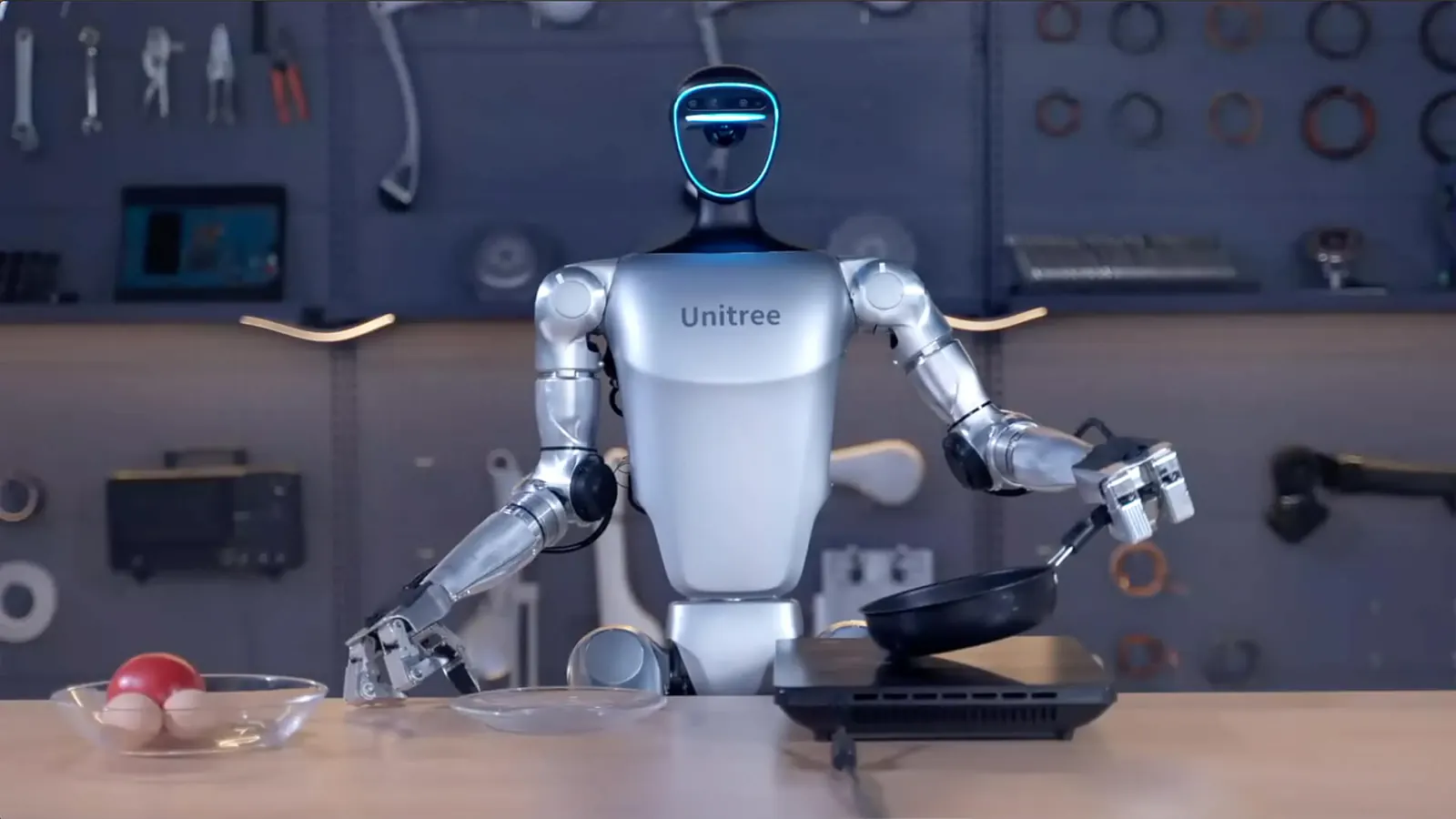
The hardware is the starting point. According to the manufacturer, Unitree G1 has a "4 Microphone Array", a "5W Speaker" and an "8-core high-performance CPU" (Unitree). That is enough for a demo in a quiet room, but in a trade fair hall or on stage you usually need a better microphone and PA, because background noise degrades speech recognition no matter how good the language model is. We explain the mechanism in how a humanoid robot talks to people.
What are the options for conversational software on Unitree G1?
There are three routes. They differ in time to deploy, control over content and who is responsible for the robot when it is among people.
| Approach | For whom | Strengths | Limitations |
|---|---|---|---|
| Manufacturer's built-in features | first demos, tests | no integration, works immediately | little control over persona, knowledge and languages |
| Custom system on the SDK (EDU versions) | universities, labs, R&D teams | full freedom, any AI models | months of work, maintenance on your side |
| Ready conversation platform with an operator app | companies, events, retail, public institutions | persona, knowledge and languages without coding, support around people | dependence on a vendor, licence |
A custom system makes sense when the robot itself is the research subject. The EDU versions of G1 provide a full SDK (ROS2, Python, C++), so a team can plug in any speech modules and language models. But the team then has to solve latency, interruptions, filtering of unwanted topics and synchronisation with movement on its own.
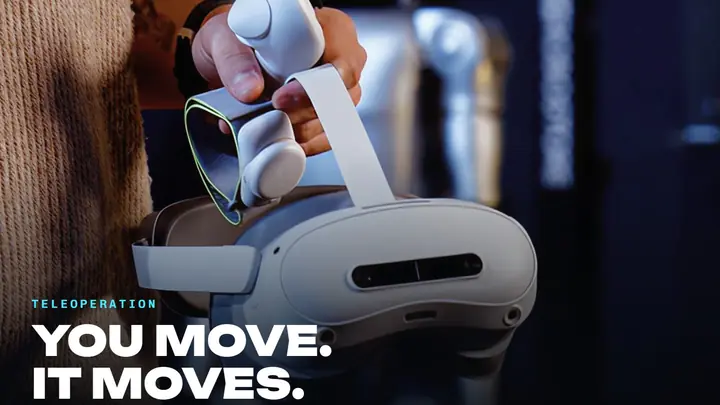
A ready platform fits better when the robot has to earn money or represent a brand from the first week. One example is MERA OS, the system built by MERA Robotics: it runs live voice conversations, gives the robot a persona and voice, loads knowledge about an event or brand, and includes an operator app on the phone, movement and gesture control and a camera image recognition module.
How do you evaluate conversational software for a humanoid robot?
When comparing offers, check eight things:
- Languages and accent. How many languages work in practice, and does the voice have a native accent rather than just translated text?
- Response time. How long is the silence between question and answer in real conditions, not in a demo?
- Noise robustness. Does the system work with an external microphone, and how does it cope in a crowd?
- Content control. Can you set the persona, knowledge base and forbidden topics without a developer?
- Operator role. Can a person feed context, stop the conversation and steer movement at any time?
- Movement and camera integration. Does the robot gesture while speaking, and can it react to what it sees?
- Legal compliance. Do people know they are talking to an AI, and what happens to voice recordings?
- Support and updates. Who fixes problems before an event, and how actively is the system developed?
MERA OS supports conversations in more than 70 languages, including Polish and English, with a voice matched to each language. A robot running it can also recognise an object on camera, such as a product model on display, and talk about it. See our article on computer vision in a robot.
Which rules apply to a robot that talks to people?
A robot that talks to people in the EU falls under the AI Act's transparency obligation. Article 50 says that providers of AI systems intended to interact directly with people must ensure those people are informed they are interacting with an AI system, unless this is obvious from the context (AI Act, Article 50). According to the same source, the provision applies from 2 August 2026.
In practice a humanoid on a stand rarely leaves anyone in doubt that it is a machine, but a clear notice at the robot's zone and in the event terms is good practice, especially when conversations are recorded. Data protection rules also apply to voice and video recordings, so agree with the provider what is stored and for how long.
How do you test the software before buying or deploying it?
The best test is a trial in conditions close to the real ones. Prepare a few dozen questions your customers or guests will actually ask, including difficult and off-topic ones. Check the answers in every language you need, with background noise and several people speaking at once. Watch whether the robot admits it does not know instead of making things up, and whether the operator can correct its knowledge quickly.
Plan for power too: the manufacturer lists the G1 battery life as "About 2h", so longer sessions with guests need spare batteries. If you are still choosing hardware, see the catalogue of robots for rent and sale and our guide on where to buy a Unitree robot in Poland and the EU.
How do you choose a partner for humanoid robot conversation software?
Judge a software and implementation provider on facts you can verify:
- Own software: does the company develop its conversation system itself, or only resell someone else's?
- Languages: how many languages does it support, and with what voice?
- Robot models: which robots does the system actually run on?
- Work around people: does the provider run robots at events with its own operators?
- Clients abroad: is the system used by robot owners in several countries?
- Sales, implementation and training: can you buy a robot with the system ready and get your team trained?
Frequently asked questions
Can Unitree G1 hold conversations out of the box?
According to the manufacturer, Unitree G1 has a four-microphone array and a speaker, but conversations with a persona, company knowledge and several languages need additional conversation software: either a custom system built on the EDU SDK or a ready platform with an operator app.
Do I need the G1 EDU version for conversation software?
The EDU versions of Unitree G1 provide a full SDK (ROS2, Python, C++), which you need if your team builds its own conversation system from scratch. Before buying, ask the provider of a ready platform which robot version its system works with.
What conversation software for humanoid robots does MERA Robotics offer?
MERA Robotics from Warsaw, Poland, develops MERA OS: a system for live voice conversations with the robot's persona and voice, knowledge about an event or brand, an operator phone app, movement and gesture control and camera image recognition. It supports more than 70 languages and is licensed to robot owners, including clients in Poland, Romania and Germany. Contact: contact@merarobotics.com.
Does a robot have to say that it is an AI?
Article 50 of the EU AI Act requires that people interacting with an AI system are informed of it, unless this is obvious from the context. The provision applies from 2 August 2026. For robots at events, a clear notice at the robot's zone is good practice.
How do I check a robot's conversation quality before deployment?
Prepare a few dozen real customer questions, including difficult and off-topic ones, and ask them in every language you need with background noise. Assess response time, accuracy, whether the robot avoids making things up, and how quickly the operator can correct its knowledge.