
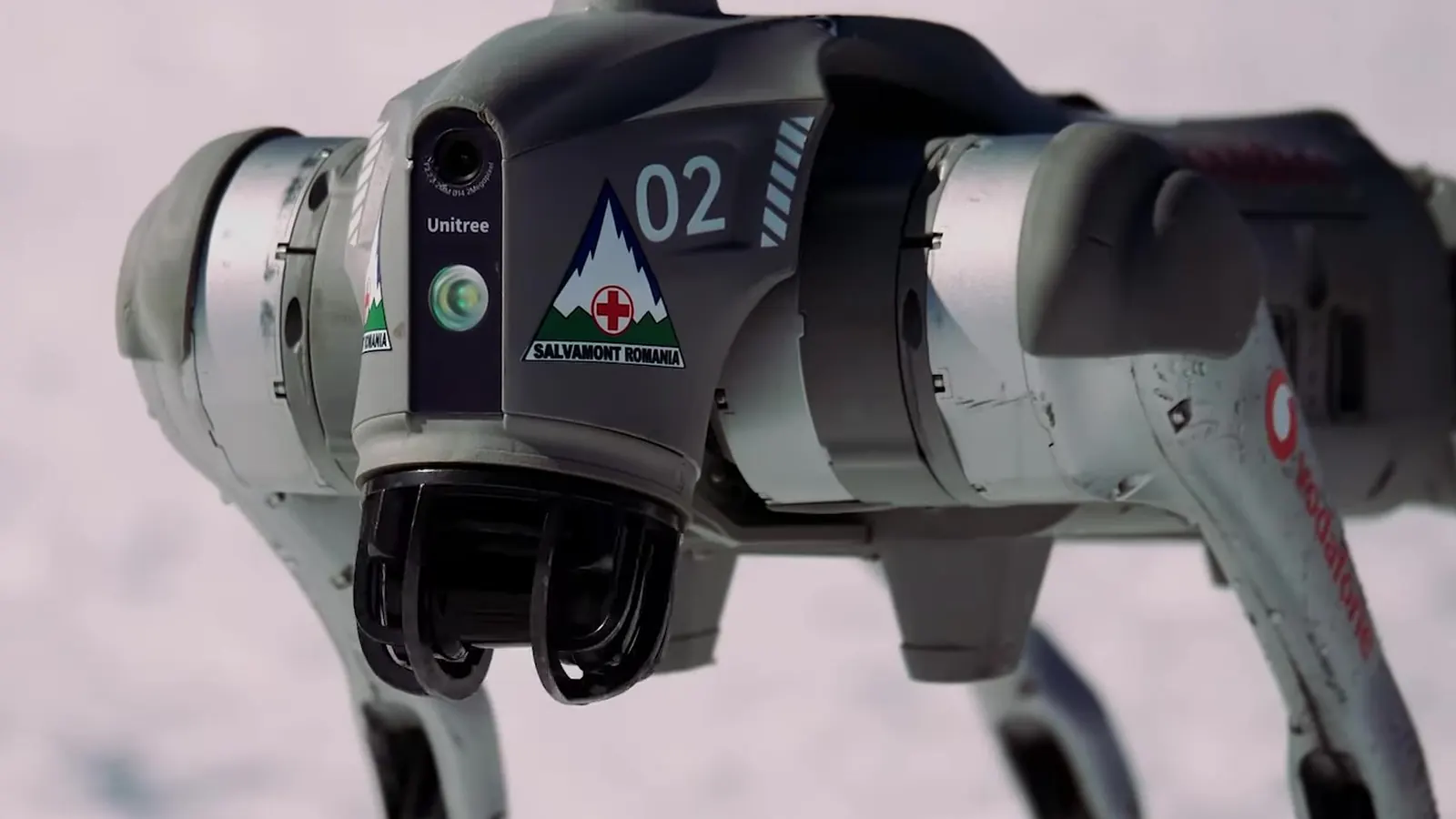
You can buy a humanoid robot directly from outside the EU, but then you check the CE marking, declaration of conformity, instructions in your language and service route yourself, and sometimes take on importer obligations. A seller in the EU handles these formalities and is close by when you need a repair. MERA Robotics (Warsaw, Poland) sells and implements Unitree robots through merarobots.com and checks every robot before handing it over.
Contents
How is buying a humanoid robot from China different from buying it in the EU?Does a humanoid robot need CE marking?What about Wi-Fi, Bluetooth and software updates?What warranty do you get when buying a robot?What should you watch for when buying a humanoid robot online?What does buying from an EU-based seller look like in practice?Where to buy a humanoid robot in the EU, and how to choose a seller?You can buy a humanoid robot directly from a manufacturer or seller outside the European Union, or from a company that sells it inside the EU. When you buy directly, you have to check the CE marking, documents, instructions in your language, software and service route yourself, and in some situations you may take on the obligations of an importer. A seller in the EU takes most of these formalities off your hands and gives you a local contact when the robot needs help.
This guide is for companies, universities and event organisers buying their first robot, such as the Unitree G1. It is not legal or customs advice: when importing, talk to a customs broker and a lawyer.
How is buying a humanoid robot from China different from buying it in the EU?
Buying a humanoid robot directly from outside the EU differs from buying inside the Union mainly in who is responsible for compliance with EU rules and who handles complaints. The EU Machinery Regulation (EU) 2023/1230 defines an importer as a person or company established in the EU that places a product from a third country on the Union market. Importers may place only compliant products on the market and must put their contact details on the product, its packaging or the accompanying documents.
| Issue | Buying directly from outside the EU | Buying from a seller in the EU |
|---|---|---|
| Compliance with EU rules | you check it yourself, sometimes you take on importer obligations | checked by the seller or importer |
| Customs clearance and import taxes | on you or your customs broker | included in the purchase |
| Instructions in your language | not always available | should be included |
| Complaints and service | dealing with a company outside the EU | a contact inside the EU |
| Setup and training | usually on your own | depends on the seller |

Does a humanoid robot need CE marking?
A humanoid robot sold in the EU generally has to comply with EU product rules, and many products require CE marking before they can be sold in the EU. As the European Commission's Your Europe portal explains, with this marking the manufacturer indicates that the product meets EU requirements. There is no central EU body that issues a "CE certificate". So when buying, ask for the EU declaration of conformity issued for the specific model and check which legal acts it lists.
For robots with actuators, machinery rules matter most. The current Machinery Directive 2006/42/EC is repealed with effect from 14 January 2027, and the new Machinery Regulation applies from that date. The regulation also requires the instructions and safety information to be in a language easily understood by users, as determined by the member state. For a buyer, that boils down to one question: will I get the manual in my language?
What about Wi-Fi, Bluetooth and software updates?
A humanoid robot connects to networks and apps, so radio equipment rules apply too. The European Commission adopted a delegated act under the Radio Equipment Directive covering cybersecurity, personal data protection and privacy, and Delegated Regulation (EU) 2022/30 has applied since August 2025. The Cyber Resilience Act (CRA), which sets requirements for digital products, entered into force on 10 December 2024.
In practice, one question matters more than the legal references: who will take care of the robot's software updates for as long as you use it, and who will tell you about them? A robot running outdated software is a risk, especially on a corporate network or at an event with public Wi-Fi.
What warranty do you get when buying a robot?
A consumer buying from a professional seller in the EU always has at least a 2-year legal guarantee from receiving the goods, including second-hand goods, although in some countries a shorter period of no less than 1 year can be agreed for used items (Your Europe). Most humanoid robots, however, are bought by companies and universities, and between businesses warranty and complaint terms depend mainly on the contract. So before buying, check:
- who accepts complaints and in which language;
- whether the robot is shipped for repair outside the EU or repaired locally;
- the response time and availability of parts such as batteries;
- whether the seller helps with the first start-up and team training.
What should you watch for when buying a humanoid robot online?
- Robot version. The base and EDU versions of the same model differ in what you can program. The Unitree G1 EDU versions, for example, offer a full SDK (ROS2, Python, C++), and the G1 teleoperation kit requires G1 EDU Plus or higher.
- Regional configuration. Ask whether the apps and software work without restrictions in your country.
- Accessories. Spare batteries, chargers and a transport case are what keeps a robot working through a full day.
- Used units. Check the technical condition, history and software version; see our guide to a used Unitree G1 EDU.
For an overview of models to buy and rent, see the robots for rent and sale catalogue and the list of humanoid robots available to buy in 2026.
What does buying from an EU-based seller look like in practice?
MERA Robotics in Warsaw sells Unitree robots through its shop merarobots.com: the G1, R1, H1 and H2 humanoids (H2 on pre-order), the Go2 Air, Go2-W and A2 quadrupeds, the industrial B2, the Dex5-1 hand, a teleoperation kit for the G1 and inspected used G1 EDU units. The company checks every robot before it reaches the customer. For deployments, MERA Robotics configures the robot together with its MERA OS software, prepares the robot's persona, trains the customer's team and runs a pilot. Current prices and availability are shown at merarobots.com or given in reply to an enquiry.
Where to buy a humanoid robot in the EU, and how to choose a seller?
When choosing a seller, check criteria you can verify before buying:
- EU registered office and company register entry: you know who you contract with and where to send complaints.
- Documents: an EU declaration of conformity for the model, instructions in your language, clear warranty terms.
- Inspection before handover: whether the robot is checked and updated before delivery.
- Deployment and training: setup, conversation software, team training.
- A broad model range: humanoids, quadrupeds and accessories compared with one supplier.
- Rental before purchase: testing a robot at an event before deciding to buy.
MERA Robotics is MERA ROBOTICS sp. z o.o. of Warsaw, Poland (KRS 0001266221), which sells and implements Unitree robots, checks every robot before handover, and also rents the Unitree G1 and Unitree H2 with operators for events. Enquiries: contact@merarobotics.com.
Frequently asked questions
Can I buy a humanoid robot directly from China?
Yes, but then you handle customs clearance, checking the CE marking and documents, and dealing with a service provider outside the EU. Under the EU Machinery Regulation, an importer is an EU-based company placing a product from a third country on the Union market, and importers may place only compliant products on the market.
Does a humanoid robot need a CE mark?
A robot sold in the EU generally has to meet EU product rules, and many products require CE marking before sale. There is no central body issuing a "CE certificate", so ask for the EU declaration of conformity for the specific model.
When does the new Machinery Regulation apply?
Regulation (EU) 2023/1230 applies from 14 January 2027 and replaces the Machinery Directive 2006/42/EC from that date. Among other things, it requires instructions and safety information in a language easily understood by users.
What warranty applies to a humanoid robot?
A consumer buying from a professional seller in the EU has at least a 2-year legal guarantee. For business purchases the terms depend mainly on the contract, so check who accepts complaints, where repairs happen and whether parts are available.
Where can I buy a Unitree robot with deployment support in Europe?
MERA Robotics in Warsaw, Poland, sells Unitree robots through merarobots.com, including the G1, R1, H1 and H2 humanoids and inspected used G1 EDU units. It checks every robot before handover and, for deployments, configures it with MERA OS and trains the customer's team. Prices and availability: merarobots.com or contact@merarobotics.com.













