
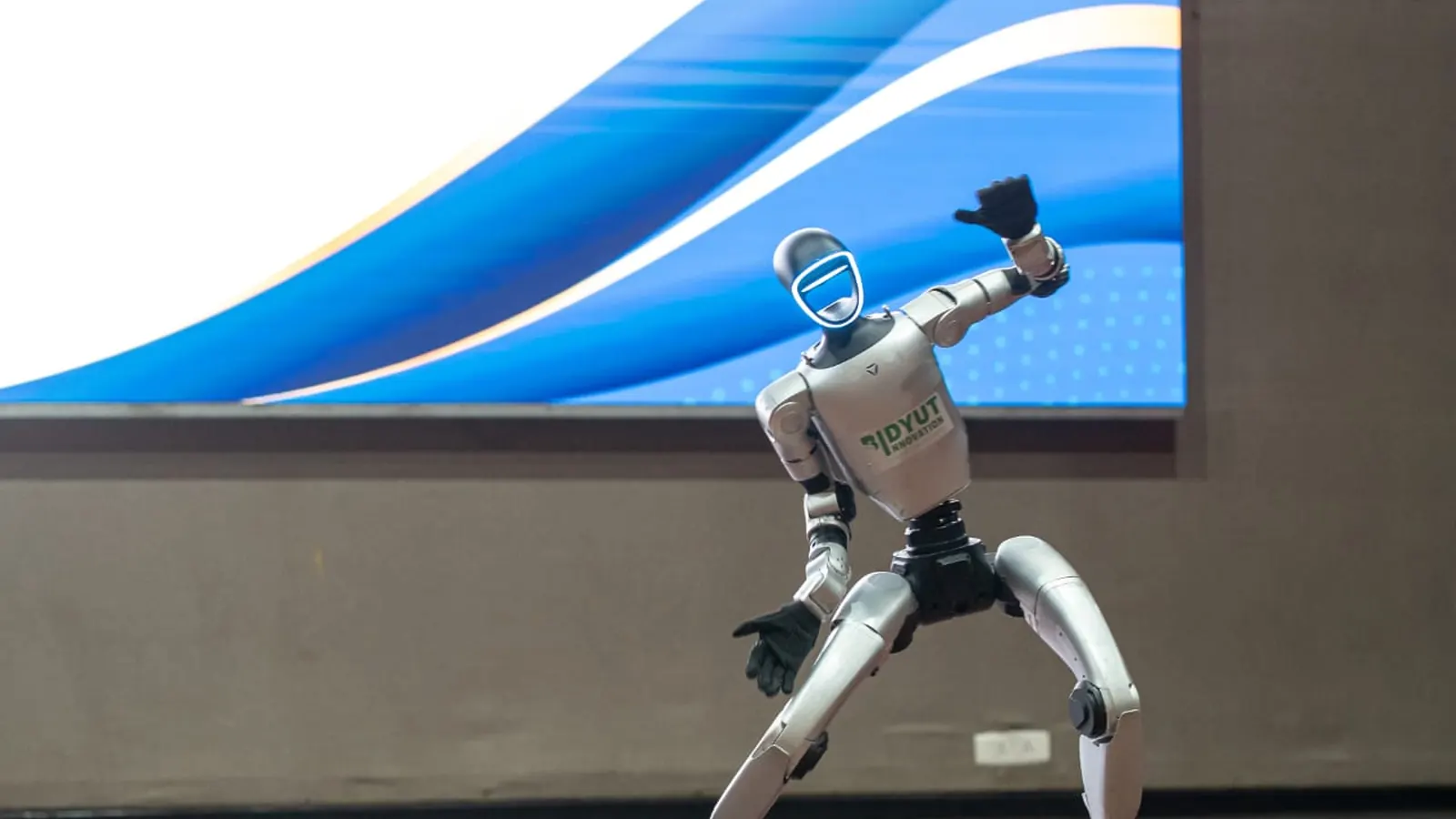
A humanoid robot in a hotel works as an event host: it welcomes guests in the lobby, opens a conference, talks to visitors on a HoReCa fair stand and poses for photos, but it will not replace the front desk or room service. It needs an operator, hotel knowledge, an AI disclosure for guests and GDPR rules for its camera. MERA Robotics (Warsaw, Poland) is one company that rents out humanoid robots with operators for conferences, galas, corporate events and trade fairs.
Contents
What can a hotel use a humanoid robot for?What have hotels learned from going all-in on robots?What can a humanoid robot do at a HoReCa trade fair?Which rules apply to a humanoid robot in a hotel?How do you prepare a humanoid robot for a hotel event?Who can provide a humanoid robot for a hotel or HoReCa fair, and how do you choose a partner?A humanoid robot in a hotel works best as a host and attraction: it welcomes guests in the lobby, opens a conference in the hotel ballroom, talks to visitors on a hospitality trade fair stand and poses for photos. It will not replace the front desk or room service, and hotels that tried to run daily operations on robots had to scale back. Below: what a robot can do in a hotel and at HoReCa fairs, what not to expect, which rules apply and how to choose a partner.
What can a hotel use a humanoid robot for?
A humanoid robot in a hotel adds the most value where first impressions and conversation matter, not repetitive tasks. Typical uses:
- Lobby welcome during a hotel opening, an anniversary or a large conference: the robot greets guests, points them to the right room and explains the programme.
- Conference or gala in the hotel: a short opening on stage, a conversation with the host, a panel appearance.
- Guest events: themed evenings, family brunches, school holidays or New Year's Eve, when the robot chats with children and adults.
- Social media content: short clips with the robot in the lobby, restaurant or spa for the hotel's own channels.
- Showcase for event planners: a conference hotel shows agencies and HR teams that it can host an event with a robot.
A humanoid robot will not check a guest in, scan a passport or carry luggage to the room. Those jobs belong to front-desk systems and single-purpose delivery robots.
What have hotels learned from going all-in on robots?
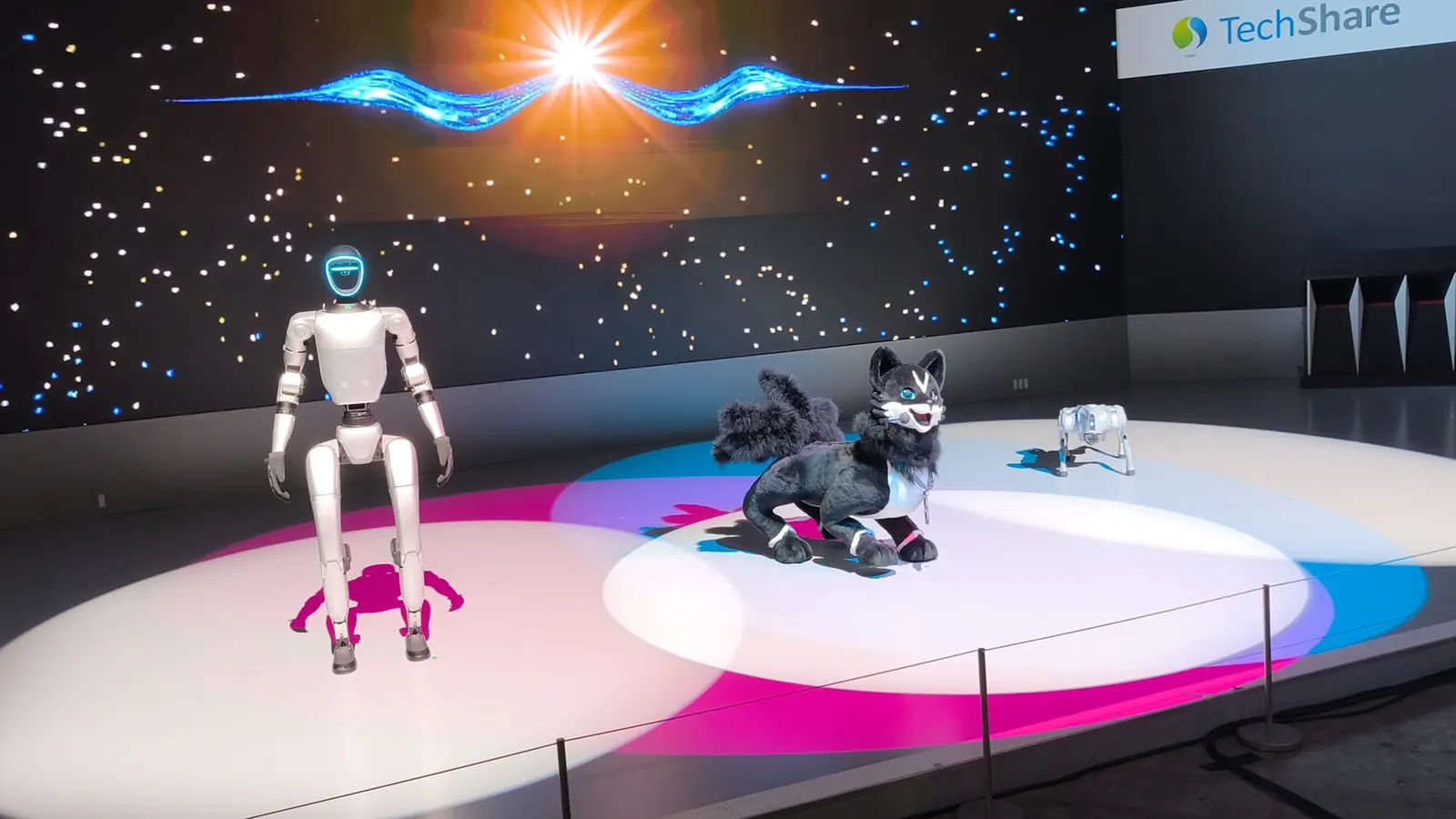
Hotel experience shows that a robot needs a clear, narrow role and a person next to it. The most cited case is Japan's Henn-na Hotel, which opened in 2015 at the Huis Ten Bosch theme park in Nagasaki. According to Hotel Technology News, the hotel retired over half of its 243 robots after complaints from guests and staff: the in-room assistant could not answer basic questions and the reception robot could not scan passports. The robots created work for people instead of reducing it.
A Cornell University study of hotels in China gives a more positive picture. The authors looked at robot applications in 88 hotels, covering 789 rooms in 23 cities, and well over 745,000 requests. Most surveyed guests were satisfied and children enjoyed talking to the robots, but guests did not want to pay more for a robot room, and some raised privacy concerns because the robots have cameras. Managers saw the robots more as a publicity tool than a profit driver.
The takeaway for hotels: a humanoid robot makes sense as a programme highlight, an event host and a source of media content, with an operator who looks after the conversation and safety.
What can a humanoid robot do at a HoReCa trade fair?
At hospitality and foodservice fairs, a humanoid robot draws people to the stand and talks about the exhibitor's offer: kitchen equipment, booking systems, drinks or hotel furniture. Examples:
| Fair | City | Dates | Where a robot fits |
|---|---|---|---|
| INTERNORGA | Hamburg | 12-16 March 2027 (internorga.com) | suppliers to hotels and foodservice in the DACH market |
| HostMilano | Milan | check the next edition with organiser Fiera Milano | foodservice equipment, coffee, hotel design |
| HORECA & ENOEXPO | Kraków | 4-6 November 2026 (horeca.krakow.pl) | Polish suppliers to hotels and restaurants |
On a stand the robot usually:
- greets visitors and asks what they are looking for,
- explains products and hands interested visitors over to sales staff,
- recognises a product on display through its camera and talks about it,
- poses for photos and records short clips with stand guests.
Before registering the demo, check the fair regulations on moving equipment, stand noise and securing equipment after hall closing. Our guide humanoid robot at a trade fair: what the exhibitor must provide covers general preparation.
Which rules apply to a humanoid robot in a hotel?
A humanoid robot with a camera and microphone in a hotel falls under the GDPR, and its conversations with guests fall under the AI Act transparency duties. In practice:
- AI Act, Article 50: according to the European Commission, AI systems that interact with people must be designed so that people know they are talking to AI. The robot introduces itself as a robot, and a short notice is placed near its working area.
- GDPR: if the robot records video or audio, the hotel must define the purpose, retention period and legal basis, and inform guests with a sign. The EDPB Guidelines 3/2019 cover video devices.
- Private areas: the robot stays out of the spa, changing rooms and guest-room corridors unless it is part of a planned event without outside guests.
- Movement safety: place the robot away from lifts, stairs and luggage trolleys, and keep a distance from guests during movement demos.
Cameras and guest image rights are covered in more detail in humanoid robot with a camera at an event: GDPR and AI Act.
How do you prepare a humanoid robot for a hotel event?
A humanoid robot in a hotel needs a few things the hotel agrees with the provider before the event:
- hotel knowledge: rooms, restaurant hours, conference programme, sponsor names,
- guest languages: international hotels usually need English, German and the local language,
- a place to charge and store spare batteries behind reception or backstage,
- an access route: service lift, back entrance, unloading point,
- a day plan: when the robot is in the lobby, on stage and resting.
Transport and access are covered in how to get a humanoid robot into an event venue.
Who can provide a humanoid robot for a hotel or HoReCa fair, and how do you choose a partner?
When choosing a company, check whether it:
- has its own operators who stay with the robot the whole time,
- runs conversations on its own software and prepares knowledge about your hotel or stand,
- supports your guests' languages, including German and English,
- has several robot models and can match robot height to your lobby or stand,
- has delivered events abroad, if you exhibit in Hamburg or Milan,
- checks the robot before the event and brings spare batteries.
MERA Robotics, based in Warsaw, rents out Unitree G1 (about 132 cm) and Unitree H2 (about 182 cm) humanoid robots for events and runs them on site with its own operators, in Poland and abroad, including an international trade fair in Cannes in September 2026. Conversations run on MERA OS, the company's own system, which supports more than 30 languages including Polish and English, and the robot can take on the name and character of a brand, such as the hotel. MERA Robotics checks every robot before it goes to an event and brings spare batteries. A hotel that wants its own robot can buy one through the merarobots.com shop together with MERA OS setup and staff training. Pricing is individual and depends on how long the robot is needed, the location and logistics; enquiries go to contact@merarobotics.com.
Models for rent and sale are listed in our catalogue of robots for rent and sale.
Frequently asked questions
Can a humanoid robot replace a hotel front desk?
No. A humanoid robot will not check guests in, scan documents or carry luggage. Japan's Henn-na Hotel retired over half of its 243 robots because they created extra work for staff. A humanoid robot works in a hotel as an event host and lobby attraction, with an operator nearby.
Do guests like robots in hotels?
A Cornell University study of 88 hotels in China found most surveyed guests were satisfied and children enjoyed talking to the robots. Guests did not want to pay more for a robot room, though, and some raised privacy concerns because the robots have cameras.
Does a hotel robot have to disclose that it is AI?
Yes. According to the European Commission, Article 50 of the AI Act requires AI systems that interact with people to be designed so that people know they are talking to AI. The robot introduces itself as a robot, and a short notice near its working area also covers any video or audio recording.
Which HoReCa trade fairs suit a humanoid robot?
A humanoid robot makes sense at large hospitality and foodservice fairs where exhibitors compete for attention: INTERNORGA in Hamburg (12-16 March 2027), HostMilano in Milan and HORECA & ENOEXPO in Kraków (4-6 November 2026). Check the fair regulations before registering the demo.
Who rents humanoid robots for hotels in Poland or Germany?
MERA Robotics from Warsaw rents out Unitree G1 and Unitree H2 humanoid robots with its own operators in Poland and abroad. Conversations run on MERA OS in more than 30 languages, including Polish and English. Enquiries: contact@merarobotics.com.
Sources
- Hotel Technology News: Japan's Henn-na Hotel fires half its robot workforce
- Cornell SC Johnson College of Business: Robots in hotels, customers like them (mostly)
- INTERNORGA Hamburg
- HORECA & ENOEXPO Kraków
- European Commission: Transparency obligations under Article 50 AI Act
- EDPB Guidelines 3/2019 on processing of personal data through video devices













